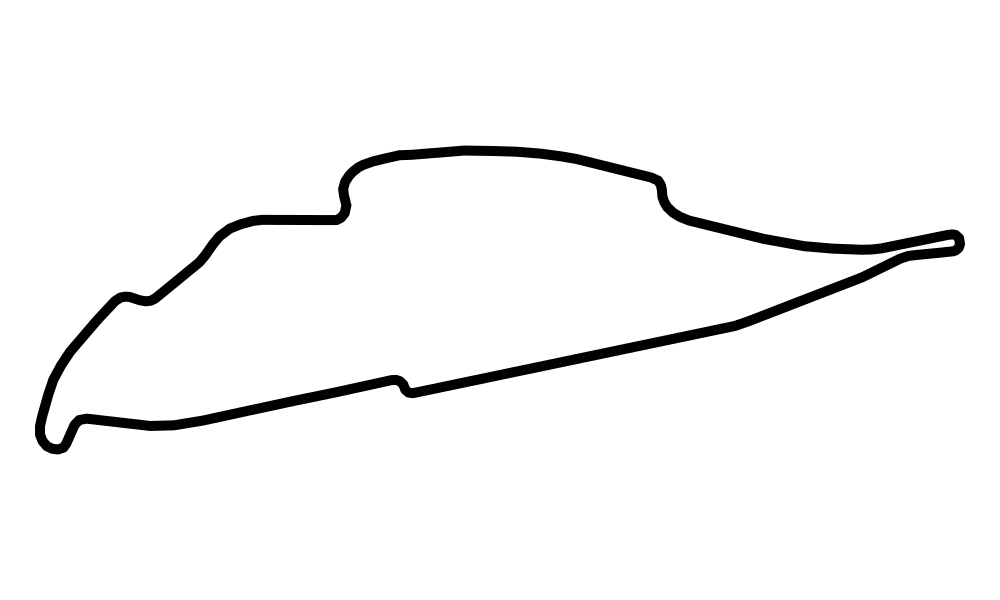
Silverstone Shock Offer to Replace Cancelled F1 Middle East Races 2026
Silverstone has issued a shock offer to host a replacement F1 race in 2026, stepping in to fill the gap left by two cancelled Middle Eastern rounds on the calendar.
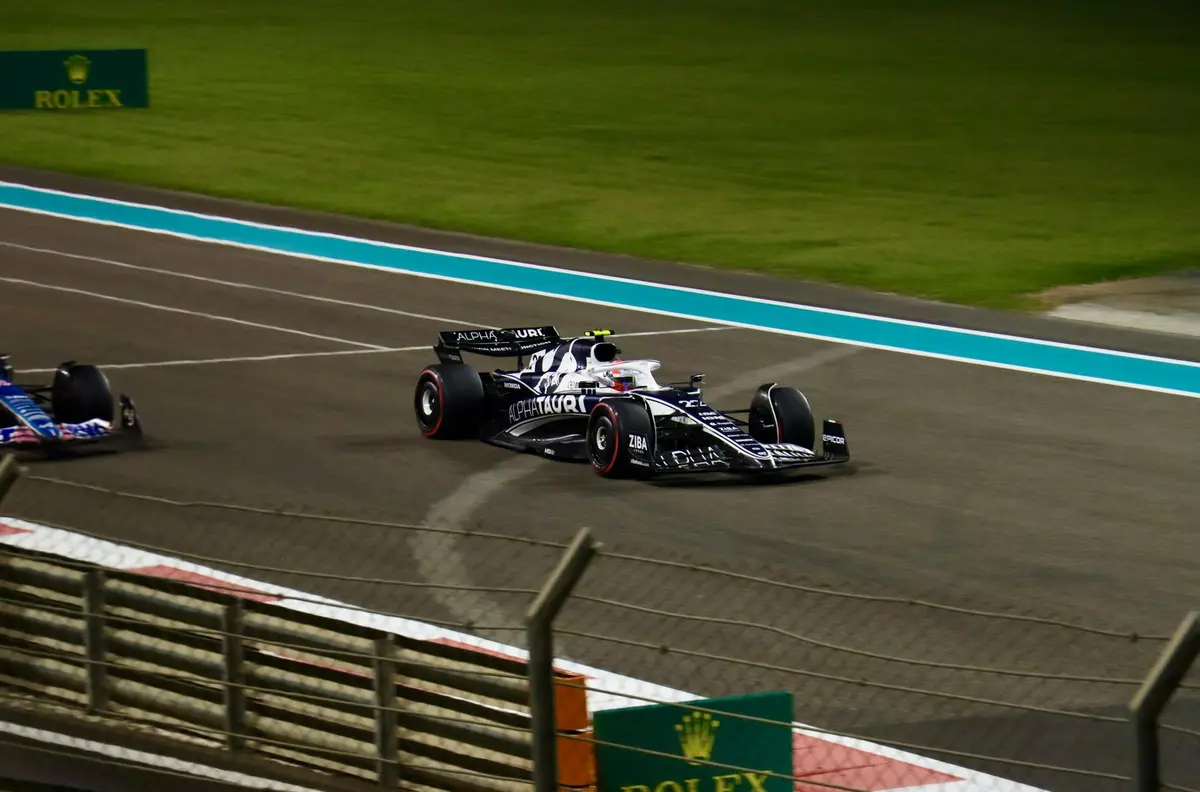
In a development that has sent ripples through the Formula 1 paddock, Silverstone has stepped forward with a bold and unexpected offer to host additional rounds on the 2026 Formula 1 World Championship calendar, following the cancellation of two Middle Eastern race weekends. The British circuit, widely regarded as one of the most iconic venues in motorsport history, has positioned itself as a ready-made solution to plug a significant gap in what was already shaping up to be a landmark season under F1's sweeping new technical regulations. The offer underlines both the commercial urgency facing the sport and Silverstone's enduring ambition to cement its place at the heart of the global championship.
With the 2026 season already capturing enormous attention — thanks to radical new active aerodynamic systems, a revised power unit formula, an eleventh team in the form of Cadillac, and Audi's debut as a constructor — the loss of two calendar slots represents a genuine logistical and commercial challenge for Formula 1's organizers. Silverstone's intervention, described in reports as a "shock offer," signals that established European venues are acutely aware of the opportunities created when Middle Eastern rounds fall away.
What We Know: Silverstone's Offer to Fill the Calendar Gap
According to reporting by MotorSportWeek, Silverstone has formally issued an offer to replace one of the cancelled F1 Middle Eastern races, stepping in to address what amounts to two missing rounds on the 2026 Formula 1 calendar. The language used — "shock offer" — suggests this was not a move anticipated by the wider paddock or the sport's commercial rights holders, Formula One Management (FOM), and that Silverstone has moved proactively rather than reactively.
The specific identities of the cancelled Middle Eastern races have not been detailed in the source reporting, but the significance of losing two rounds from any calendar cannot be understated. Each race weekend represents tens of millions of dollars in hosting fees, broadcast revenues, trackside hospitality income, and wider tourism benefit. For Formula 1, which has spent years expanding its global footprint with lucrative Middle Eastern partnerships — most notably with Saudi Arabia, Abu Dhabi, Bahrain, and Qatar — the cancellation of events in that region creates a void that demands urgent resolution.
Silverstone's offer to step in is both a commercial proposition and a statement of intent. The Northamptonshire circuit already hosts the British Grand Prix, traditionally one of the most attended and passionately followed events on the entire calendar. The suggestion that it could absorb an additional race weekend — potentially as a double-header or a standalone event under a different race title — raises fascinating questions about scheduling, logistics, and the broader direction of Formula 1's calendar strategy.
Why This Offer Matters for the 2026 F1 Season
The 2026 Formula 1 season is unlike any in recent memory in terms of its scope for disruption and drama. The introduction of entirely new technical regulations — encompassing a revised hybrid power unit architecture, active aerodynamics that allow drivers to manually adjust bodywork configurations mid-corner, and an "overtake boost" system designed to enhance on-track action — means every race weekend carries amplified significance. Teams, engineers, and drivers are still in the process of understanding these cars, and the championship standings are unusually volatile as a result.
Against that backdrop, losing two races does not simply mean fewer points-scoring opportunities. It compresses the development timeline for teams, reduces the data sets that engineers rely upon to understand their new machinery, and shortens the competitive season just as the technical regulations are in their most critical early phase. For a team like Audi, making its Formula 1 debut in 2026 after rebranding from Sauber, or for Cadillac as the sport's newest entrant, fewer races mean fewer opportunities to develop race craft, operational efficiency, and constructors' championship points.
For the established front-runners — McLaren with Lando Norris and Oscar Piastri, Red Bull with Max Verstappen and rookie Isack Hadjar, and Ferrari with Charles Leclerc and Lewis Hamilton now in his second season with the Scuderia — the calculus is equally important. In a truncated calendar, every point matters more, and any team that can extract performance advantages early will find those margins harder to claw back. Silverstone's offer to restore at least one of those lost rounds therefore has direct sporting implications far beyond simple fixture scheduling.
Silverstone's History as an F1 Host and Its Calendar Ambitions
Silverstone occupies a unique position in Formula 1's heritage. The circuit hosted the very first World Championship Grand Prix in 1950 and has remained a near-permanent fixture on the calendar ever since. Its contract with Formula 1 has historically been a subject of negotiation and occasional tension — hosting fee demands and infrastructure investment requirements have created friction in the past — but the venue has consistently demonstrated its capacity to deliver world-class events with enormous crowd appeal.
In recent years, Silverstone has invested heavily in its facilities, including the Wing complex, enhanced spectator infrastructure, and expanded hospitality offerings, positioning itself as a premium venue capable of competing with the gleaming, purpose-built circuits of the Middle East and the Americas. The fact that it is now willing to offer itself as a replacement host — at presumably short notice given the 2026 season is already underway — speaks to both the circuit's operational readiness and its desire to strengthen its relationship with Formula 1's commercial hierarchy.
There is also a broader European context to consider. Formula 1 has faced periodic criticism for prioritising lucrative, high-fee events in regions like the Middle East and Asia at the expense of traditional European venues with deep motorsport cultures and large, organically grown fan bases. The cancellation of Middle Eastern rounds, and the potential substitution of a well-established European circuit, could be seen by some observers as a rebalancing — however temporary — of the sport's geographical priorities.
Technical and Strategic Implications for Teams and F1 Management
From a purely technical standpoint, the nature of any replacement circuit matters enormously in 2026. Silverstone is a high-speed, medium-to-high downforce circuit with a mix of fast sweeping corners and technical chicanes — a profile that differs substantially from the smoother, more power-unit-sensitive layouts typically found in the Middle East. Adding an additional Silverstone-style circuit to the calendar would skew development priorities for teams whose car concepts are optimised around different aerodynamic and power demands.
Under the 2026 active aerodynamic regulations, the way a car manages its bodywork through Silverstone's characteristically high-speed sequences — Copse, Maggotts, Becketts — will be fundamentally different from how those same systems operate on the longer straights and slower corners of a street circuit or desert track. Teams will need to adapt their setup strategies accordingly, and the data gathered from an additional Silverstone event would feed into aerodynamic and mechanical development cycles in ways that a Middle Eastern round simply would not replicate.
For Formula 1 Management, the scheduling challenge is equally complex. Inserting a replacement race into an already-packed calendar requires agreement from broadcasters, freight logistics providers, hospitality partners, and the teams themselves — all of whom operate to tightly defined seasonal plans. Silverstone's advantage here is that it is an established venue with proven infrastructure, reducing the lead time required to activate an additional event. Whether FOM ultimately accepts the offer, and under what commercial terms, remains to be seen.
Key Takeaways
- Silverstone has issued a formal offer to replace at least one of two cancelled Middle Eastern races on the 2026 Formula 1 calendar.
- The loss of two calendar rounds represents a significant sporting and commercial gap in what is already a landmark season under new technical regulations.
- Silverstone's move is proactive and positions the circuit as a reliable, high-capacity alternative to Middle Eastern venues at short notice.
- An additional Silverstone round would have direct technical implications for teams adapting to the 2026 active aerodynamics formula, favouring high-speed, high-downforce car concepts.
- The offer highlights ongoing tensions and opportunities in F1's calendar structure between lucrative overseas venues and established European circuits with deep fan bases.
- Formula One Management must now weigh commercial, logistical, and sporting factors in deciding whether to accept Silverstone's proposal.
Frequently Asked Questions
Why did Formula 1 cancel Middle Eastern races on the 2026 calendar?
The specific reasons behind the cancellation of the Middle Eastern races have not been detailed in available reporting at this time. Formula 1 race cancellations can arise from a variety of factors including political circumstances, contractual disputes, safety concerns, or logistical challenges. The key reported fact is that two rounds are missing from the 2026 calendar, creating a gap that Silverstone has now moved to address.
Could Silverstone host two Formula 1 races in the same season?
Silverstone's offer relates to replacing "one" of the cancelled Middle Eastern races, per the source reporting. However, the precedent for a circuit hosting multiple events in a single season does exist — Formula 1 used double-headers at several European venues during the pandemic-disrupted 2020 season. Whether Silverstone could practically and contractually host a second event in 2026 alongside the existing British Grand Prix would depend on FOM approval, scheduling logistics, and the circuit's own operational capacity.
How does this affect the 2026 Formula 1 World Championship standings?
A reduced number of race rounds concentrates the points available across fewer events, making each race outcome statistically more significant in determining the Drivers' and Constructors' Championship results. If Silverstone's offer is accepted and a replacement race is added back to the calendar, it would help restore the competitive integrity of the season and ensure teams like Audi, Cadillac, and the established frontrunners have sufficient rounds to develop their 2026 machinery under race conditions.
What would an additional Silverstone race mean for the 2026 active aero regulations?
Silverstone's circuit characteristics — fast, sweeping corners and long high-speed sections — would provide a demanding real-world test for the 2026 active aerodynamic systems. Under the new regulations, drivers can adjust bodywork configurations to optimise downforce and drag levels, and Silverstone's layout would exercise those systems in ways that differ from a typical Middle Eastern circuit. This makes an additional Silverstone round particularly valuable from a technical development perspective for all teams on the 2026 grid.
Conclusion
Silverstone's shock offer to replace one of the cancelled F1 Middle Eastern races is one of the more intriguing off-track developments of the 2026 Formula 1 season so far. It underscores the circuit's continued ambition, its operational readiness, and its awareness of the commercial and sporting vacuum created by the loss of two calendar rounds in a year when the sport is navigating its most significant regulatory overhaul in decades.
Whether Formula One Management accepts the proposal remains an open question, and the outcome will likely depend on a complex web of commercial negotiations, broadcast agreements, and logistical considerations. But the very fact that Silverstone has moved so decisively — and apparently unexpectedly — to offer itself as a solution speaks to the circuit's understanding of its own value to the sport and its desire to play an even larger role in the 2026 championship narrative.
For fans, teams, and the wider Formula 1 ecosystem, the prospect of an additional race at one of the sport's most beloved and historically significant venues is an appealing one. In a season already defined by extraordinary change, Silverstone's intervention adds yet another layer of intrigue to what promises to be a memorable year in the sport's long history.
In this article
Written with AI assistance. How this site works
 Canadian Grand Prix