Pasta Brand F1 Sponsorship: The Rise of Food in Formula 1
A pasta brand's growing presence in Formula 1 reflects the sport's dramatic commercial evolution in 2026, attracting everyday consumer brands to the paddock.
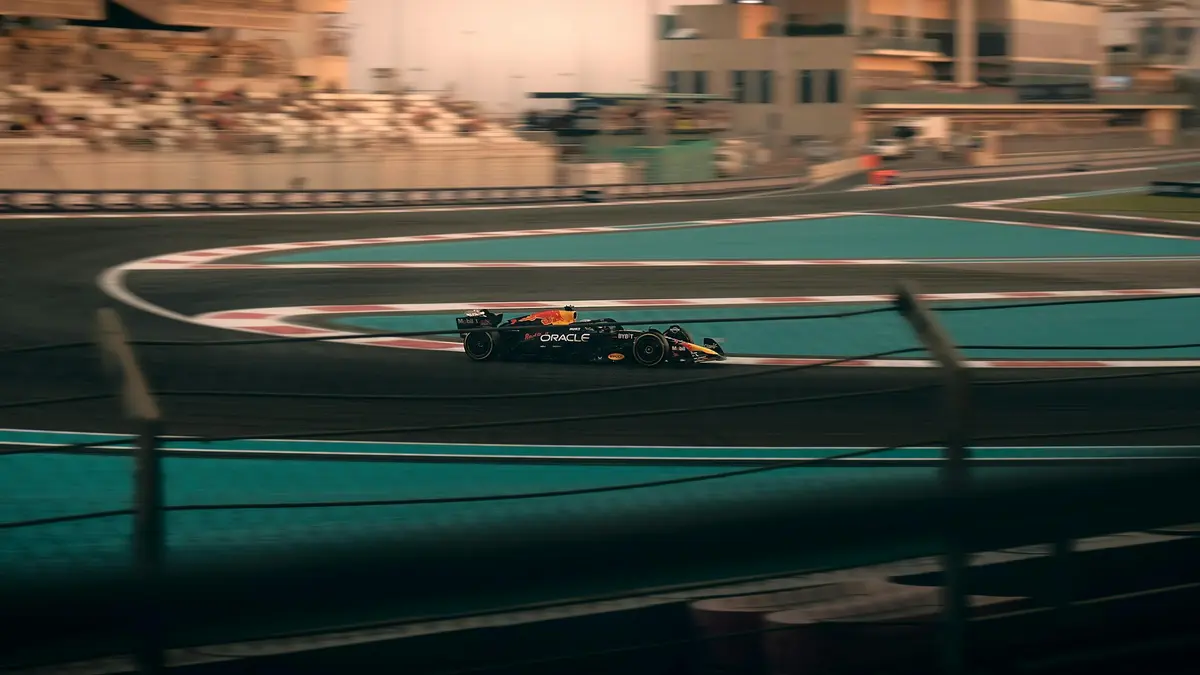
If you have been watching Formula 1 closely over the past year, you may have noticed something a little different adorning the liveries, paddock hoardings, and broadcast graphics of the sport's biggest teams — the unmistakable branding of a pasta manufacturer. It is a development that, on the surface, might seem quirky or even incongruous in a world of cutting-edge engineering and billion-dollar budgets. But dig a little deeper and it tells a much bigger story about where Formula 1 is heading commercially in 2026, who is investing in the sport, and what that means for fans, teams, and the broader cultural identity of the championship.
The increased presence of a pasta brand in Formula 1 is not an accident. It is the product of a deliberate commercial strategy — both from the brand itself and from the sport — to tap into a fanbase that has exploded in size, diversity, and global reach over the last five years. In 2026, Formula 1 is no longer just a motorsport; it is a lifestyle platform. And wherever lifestyle platforms go, consumer brands follow.
The Growing Presence of a Pasta Brand in Formula 1 Sponsorship
The emergence of a pasta brand as a visible fixture in Formula 1 paddock culture reflects a seismic shift in the type of commercial partners the sport is now attracting. Historically, Formula 1's sponsorship ecosystem was dominated by petrochemical giants, financial institutions, luxury watchmakers, and technology firms. These were brands that projected authority, performance, and aspiration — all perfectly aligned with the perceived image of the sport.
But Formula 1's audience has changed dramatically. Driven in large part by the global success of the Netflix documentary series Drive to Survive, the sport now reaches tens of millions of fans who are younger, more diverse, and more interested in the human stories behind the racing than the mechanical specifications of a front wing. These are consumers who buy pasta. They shop at supermarkets. They are reached through social media campaigns, influencer partnerships, and brand activations that feel warm, accessible, and fun rather than exclusively premium and exclusive.
A pasta brand aligning itself with Formula 1 in 2026 is therefore a commercially astute move. It signals the brand's ambition to be seen as dynamic, globally minded, and culturally relevant — qualities that the sport now embodies in a way it simply did not a decade ago.
Why Consumer Food Brands Are Targeting F1 in 2026
The 2026 Formula 1 season has arrived with enormous commercial momentum. The introduction of new technical regulations — including radical changes to aerodynamic philosophy and the implementation of active aero systems and overtake boost — generated significant pre-season media coverage and mainstream press attention. New entrants to the grid, including Cadillac's debut as the 11th constructor, have drawn fresh interest from North American audiences in particular. Meanwhile, Audi's rebrand from Sauber represents a major European automotive statement of intent.
All of this means eyeballs. Enormous numbers of eyeballs. And where eyeballs go in volume, savvy consumer brands follow with sponsorship budgets. A pasta brand investing in Formula 1 visibility is pursuing the same logic that brought energy drinks, streaming services, and cryptocurrency exchanges into the sport in previous seasons — the return on investment, in terms of brand recognition and cultural cachet, can be extraordinary.
The paddock in 2026 is more accessible than ever through social media, team content channels, and streaming partnerships. A logo placed on a car or on a paddock hoarding is no longer just seen by television viewers; it appears in hundreds of pieces of organic content produced by teams, drivers, and fans every single race weekend.
Formula 1's Commercial Evolution and What It Means for the Sport
The appearance of a pasta brand as a recognisable sponsor in Formula 1 is, in many ways, a microcosm of the sport's broader commercial evolution. Liberty Media's stewardship of Formula 1 since 2017 has been characterised by a deliberate effort to diversify both the fanbase and the sponsor portfolio. The goal has been to make Formula 1 a sport that feels relevant to everyone — not just the wealthy, the technical, or the geographically proximate.
That democratisation project has largely succeeded. Race weekends now include fan festivals, driver appearances, and entertainment programmes that turn a Grand Prix into something closer to a cultural event than a pure motorsport competition. Sponsors from the food and beverage sector — pasta brands, soft drink manufacturers, snack companies — fit naturally into that environment. They can activate at fan zones, offer branded experiences, run competitions, and engage with the fanbase in tactile, memorable ways.
Drivers as Brand Ambassadors in the Modern F1 Paddock
Another dimension of this commercial story is the role of drivers themselves. The current Formula 1 grid in 2026 is one of the most commercially valuable collections of athletes in world sport. Lando Norris, Charles Leclerc, Lewis Hamilton — now in his second year at Ferrari — and Max Verstappen, the four-time World Champion continuing his dominant tenure at Red Bull, are all global celebrities with social media followings that dwarf many traditional sports stars.
When a pasta brand secures visibility in Formula 1, it gains proximity to these athletes. Whether through trackside branding that appears in team photography, paddock footage shared across social platforms, or formal ambassador arrangements, the association between a consumer food product and some of the most recognisable faces in global sport can be transformative for brand identity.
Younger drivers on the 2026 grid — including Isack Hadjar, promoted to Red Bull after his performances at Racing Bulls, Andrea Kimi Antonelli at Mercedes in his second season, and rookies such as Arvid Lindblad at Racing Bulls — represent a new generation of athletes whose personal brands are being built in real time, in public, and in partnership with commercial sponsors who understand the power of authentic, digitally native storytelling.
The Broader Trend: Non-Traditional Sectors Entering F1
The pasta brand story is not an isolated case. It is part of a discernible trend of non-traditional sectors entering Formula 1's sponsorship landscape. Fashion houses, streaming platforms, gaming companies, health and wellness brands, and now food manufacturers have all identified Formula 1 as a vehicle — quite literally — for reaching audiences that traditional advertising channels struggle to access.
This diversification is good for the sport's financial resilience. A sponsor portfolio that is too heavily weighted toward any single industry creates vulnerability; if oil prices collapse or the technology sector contracts, teams that relied on petrochemical or tech sponsors can face serious financial turbulence. A broader, more varied commercial ecosystem provides stability — and the presence of everyday consumer brands like a pasta manufacturer is a sign that Formula 1's commercial foundations are deepening.
Technical and Strategic Implications for Teams
From a team perspective, securing partnerships with high-profile consumer brands in categories like food and beverage requires a different kind of commercial operation than landing a traditional B2B technology sponsor. Consumer brands want experiential activations, social content, hospitality packages with genuine fan appeal, and measurable reach metrics. Teams that can deliver these — and in 2026, the infrastructure within major F1 operations to do so is more sophisticated than ever — will increasingly attract sponsorship from sectors that were previously considered outside the sport's commercial orbit.
The commercial arms of teams like McLaren, Ferrari, Mercedes, and Red Bull have grown substantially in recent seasons. These are no longer just racing organisations; they are media and entertainment companies that happen to build extraordinarily fast cars. That dual identity is precisely what makes them attractive to a pasta brand looking for a dynamic, globally resonant platform.
Key Takeaways
- A pasta brand's growing visibility in Formula 1 reflects the sport's dramatically expanded and diversified global fanbase in 2026.
- Liberty Media's commercial strategy has successfully attracted consumer food and beverage brands alongside the sport's traditional petrochemical and technology sponsors.
- The 2026 season's new regulations, Cadillac's debut, and Audi's rebrand have generated fresh media attention, increasing Formula 1's appeal to new commercial partners.
- Drivers including Norris, Leclerc, Hamilton, Verstappen, and the sport's new generation of young talent serve as powerful brand proximity assets for sponsoring companies.
- Consumer brands entering Formula 1 benefit from organic content exposure through team social channels, fan festivals, and global broadcast partnerships far beyond traditional trackside visibility.
- The diversification of F1's sponsor portfolio into non-traditional sectors strengthens the sport's financial resilience and signals its maturation as a global lifestyle platform.
Frequently Asked Questions
Why would a pasta brand sponsor a Formula 1 team?
Formula 1 now reaches a vastly wider and younger audience than it did a decade ago, making it an attractive platform for consumer food brands seeking global visibility. A pasta brand can leverage trackside branding, social media content, driver proximity, and fan festival activations to build cultural relevance and brand recognition. The sport's massive digital footprint in 2026 amplifies that exposure far beyond traditional television viewership.
How has Formula 1 sponsorship changed in recent years?
Formula 1 sponsorship has diversified significantly away from its historic reliance on petrochemical, financial, and luxury goods sectors. The sport now attracts technology firms, streaming platforms, fashion houses, gaming companies, and food and beverage brands. This shift reflects the growth and diversification of the F1 fanbase, particularly following the global success of Drive to Survive and Liberty Media's deliberate commercialisation strategy.
What makes the 2026 F1 season particularly attractive to new sponsors?
The 2026 season has generated exceptional mainstream media interest due to sweeping new technical regulations, the debut of Cadillac as the 11th constructor, and Audi's high-profile rebrand from Sauber. These storylines have drawn fresh audiences — particularly in North America — and created new commercial opportunities for brands looking to enter the sport at a moment of heightened visibility and cultural momentum.
How do F1 teams benefit from food and beverage sponsorships?
Food and beverage sponsors bring not only financial investment but also opportunities for fan-facing activations, hospitality partnerships, and social media campaigns that enhance the team's public profile. Consumer brands in this category often have large existing marketing budgets and established distribution networks, which can amplify a team's brand across channels it might not otherwise reach. This type of partnership also helps teams build a more diverse and resilient commercial portfolio.
Conclusion
The sight of a pasta brand's logo in the Formula 1 paddock might initially raise an eyebrow, but it is in fact one of the clearest indicators yet that the sport's commercial transformation is real, deep, and continuing to accelerate into 2026. Formula 1 is no longer a niche pursuit for the mechanically obsessed or the geographically privileged; it is a global cultural phenomenon that reaches hundreds of millions of people across every demographic, every continent, and every screen size.
For brands — including pasta manufacturers — that want to reach those people in an environment that feels exciting, modern, and authentically aspirational, Formula 1 in 2026 represents one of the most compelling sponsorship propositions in world sport. The sport's commercial ecosystem has never been more diverse, and if the presence of a pasta brand tells us anything, it is that the doors to the paddock have never been more open. That is good news for fans, for teams, and for the long-term financial health of the greatest motorsport championship on earth.
In this article
Written with AI assistance. How this site works
 Canadian Grand Prix