Miami Grand Prix 2026: Hot Conditions Set to Test F1 Field
The Miami Grand Prix weekend promises hot and demanding conditions as the 2026 F1 season resumes in Florida, testing every team's 2026 package to its limits.
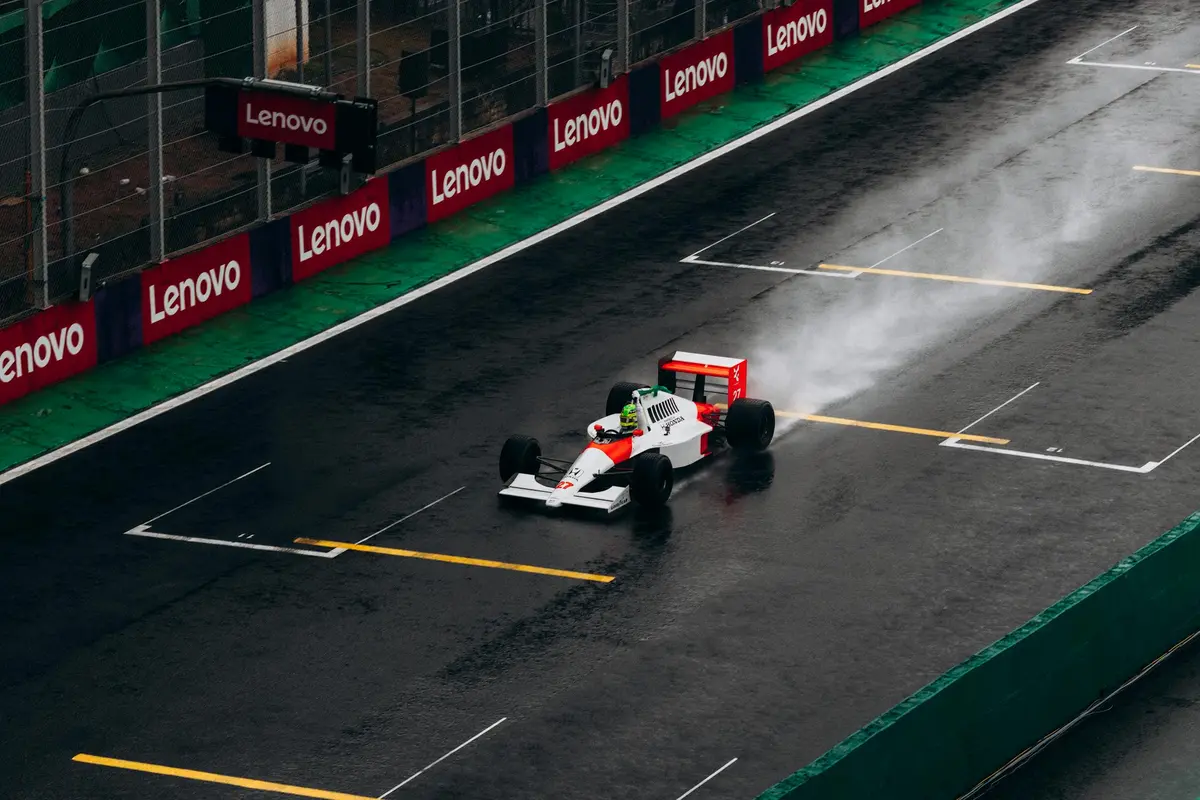
The 2026 Formula 1 season is set to resume in dramatic fashion as the Miami Grand Prix weekend promises sweltering heat and relentlessly demanding conditions for every team and driver on the grid. Florida's subtropical climate is infamous among motorsport insiders, and as the paddock descends on Miami, the combination of high ambient temperatures, intense track surface heat, and the physical toll on drivers is expected to play a decisive role in how the weekend unfolds. For a season already defined by sweeping regulatory change and fierce inter-team rivalry, Miami's heat adds yet another layer of complexity to an already intricate competitive puzzle.
With the 2026 season resuming in Florida, every constructor faces a fresh examination of their engineering choices, tyre management strategies, and driver fitness. Miami has established itself as one of the most physically demanding stops on the calendar, and in 2026 — with an entirely new technical framework governing the cars — the challenge is magnified. This weekend is not merely a race; it is a crucible in which the strengths and weaknesses of each team's 2026 package will be laid bare under unforgiving sunshine.
Why Miami's Heat Makes the 2026 Grand Prix Uniquely Demanding
Miami's climate presents a multifaceted challenge that goes far beyond simple driver discomfort. Track surface temperatures in Florida regularly exceed 50–55 degrees Celsius during afternoon sessions, generating enormous stress on the Pirelli tyre compounds and pushing power unit cooling systems toward their operational limits. In a season where all ten constructors — plus new entrants Cadillac — are running substantially revised machinery under the 2026 technical regulations, the thermal management demands are especially acute.
The 2026 regulations introduced a significantly restructured power unit formula, placing greater emphasis on electrical energy deployment and active aerodynamic systems. These changes mean that the cooling architectures of 2026 cars differ materially from their predecessors, and Miami's heat represents one of the first genuine stress-tests of those designs in truly extreme ambient conditions as the season resumes. Engineers on pit walls will be tracking coolant temperatures, battery state-of-charge curves, and tyre degradation data simultaneously, all while managing race strategy in real time.
For drivers, Miami demands elite physical conditioning. Cockpit temperatures can reach levels that test cardiovascular endurance, and the mental sharpness required to manage tyre life, energy deployment via the overtake boost system, and wheel-to-wheel combat simultaneously makes this one of the most gruelling events of the year. Every team's performance in Miami will be shaped as much by preparation as by raw pace.
The 2026 Regulations and Their Interaction With Extreme Heat
The 2026 season ushered in one of the most transformative regulatory overhauls in recent F1 history. Active aerodynamic systems, a revised hybrid power unit architecture, and updated chassis regulations have reshaped the competitive order. Understanding how these rules interact with Miami's demanding conditions is essential context for assessing the weekend ahead.
Active Aerodynamics Under the Florida Sun
The 2026 active aero concept allows drivers to adjust bodywork configurations dynamically, optimising downforce and drag depending on circuit requirements. Miami's layout — a mix of high-speed straights and technical, low-speed sections — demands a delicate aerodynamic balance. The heat adds a further variable: higher ambient temperatures reduce air density, subtly altering the aerodynamic performance envelope of every car and requiring teams to recalibrate their setup assumptions. Engineers who fail to account for the specific atmospheric conditions in Miami risk arriving with a car that performs differently from their simulation predictions.
Power Unit Cooling and Electrical Energy Management
The 2026 power unit regulations place unprecedented weight on the electrical side of the hybrid system, with a substantially larger proportion of total power output derived from electrical energy recovery and deployment. In extreme heat, battery thermal management becomes critically important. Sustained high temperatures can degrade battery performance and reduce the window of effective energy deployment, directly impacting a driver's ability to use the overtake boost system at crucial moments. Teams with superior thermal management solutions — whether through smarter packaging, more effective cooling channels, or advanced battery chemistry — will hold a tangible advantage in Miami.
Key Storylines as the 2026 Season Resumes in Florida
The Miami Grand Prix carries heightened significance not just for its climatic challenge, but because it represents the resumption of a season that has already produced compelling narratives across the 2026 grid. Each of the major protagonists arrives in Florida carrying momentum, pressure, or both.
At McLaren, Lando Norris and Oscar Piastri enter the weekend as part of one of the most formidable driver line-ups in the field. McLaren's 2026 package has been engineered with meticulous attention to detail, and the team's ability to manage tyre degradation — a perennial Miami challenge — will be scrutinised closely. Norris, maturing into one of the sport's most complete performers, and Piastri, whose analytical approach suits the strategic complexity of a heat race, form an intriguing partnership in the battle for points.
Ferrari, with Charles Leclerc and Lewis Hamilton now in his second year with the Scuderia, represent one of the sport's most watched pairings. Hamilton's vast experience across multiple climatic extremes throughout his career makes him a formidable operator in demanding conditions, while Leclerc's qualifying pace and race-day commitment ensure Ferrari remain front-runners in every classification session. The Maranello outfit's 2026 power unit developments will face a meaningful examination in Miami's heat.
At Red Bull, Max Verstappen — the four-time world champion — continues to be the benchmark against which all rivals measure themselves. Partnered in 2026 by Isack Hadjar, promoted from Racing Bulls for this season, Red Bull's engineering depth gives them tools to manage extreme conditions effectively. Verstappen's ability to coax performance from a car under pressure, combined with Red Bull's strategic acumen, makes them perpetual contenders regardless of the conditions.
Mercedes, with George Russell and Andrea Kimi Antonelli now in his second season, represent a team in the midst of a longer-term rebuild around the 2026 regulations. Russell's technical intelligence and Antonelli's rapid development arc make for a compelling sub-plot throughout the year. Aston Martin, Audi — in their rebranded debut season — Alpine, TGR Haas, Racing Bulls, and debutants Cadillac round out a grid that has rarely been more varied in terms of team philosophies and developmental stages.
Technical and Strategic Implications for the Miami Weekend
From a strategic standpoint, Miami's heat amplifies tyre degradation to a level where pit stop timing and compound selection become decisive factors. In 2026, with the active aerodynamic systems adding setup variables that were absent in previous years, teams face additional complexity when modelling race strategy. A car configured for maximum downforce in cooler conditions may overheat its rear tyres in Miami's midday temperatures, forcing teams to choose between raw lap time and tyre longevity.
The overtake boost system — a defining feature of the 2026 regulations — adds a further strategic dimension. In high-temperature conditions, managing the electrical energy budget required to activate boost at key moments while preserving battery temperatures within operating limits is a genuine engineering and driver management challenge. Teams that have invested in superior data modelling for energy deployment cycles will be better positioned to exploit this system consistently throughout the race distance.
Driver fitness protocols are also likely to be in sharp focus. Teams will be monitoring hydration, cockpit cooling effectiveness, and driver fatigue markers throughout every session. Miami rewards drivers who arrive in peak physical condition, and the preparation work done by each team's performance science department in the weeks leading into the weekend may prove to be an invisible but meaningful differentiator.
Key Takeaways
The Miami Grand Prix weekend is set to deliver hot and demanding conditions as the 2026 F1 season resumes in Florida, creating a rigorous test for all teams and drivers.
The 2026 technical regulations — featuring active aerodynamics, a revised hybrid power unit, and the overtake boost system — interact with Miami's extreme heat in ways that significantly elevate the engineering challenge.
Tyre management in high track surface temperatures remains a decisive strategic factor, with teams required to balance aerodynamic setup, compound selection, and energy deployment simultaneously.
Battery thermal management is a critical performance differentiator under the 2026 power unit rules, with Miami's heat placing electrical systems under exceptional operational stress.
Key contenders including Verstappen, Norris, Piastri, Hamilton, and Leclerc will face intense physical and strategic demands across the full Miami weekend programme.
Cadillac's debut season and Audi's rebrand make 2026 a uniquely expanded grid, with newer teams gaining invaluable data from competing in one of the most demanding climatic environments on the calendar.
Frequently Asked Questions
Why is the Miami Grand Prix considered one of the most demanding races of the 2026 F1 season?
Miami's subtropical climate produces extremely high ambient and track surface temperatures that stress both machinery and drivers to an exceptional degree. In 2026, the new technical regulations — including active aerodynamics and a revised hybrid power unit — interact with these conditions in ways that amplify the engineering and physical challenge beyond what previous generations of cars faced. Tyre degradation, battery thermal management, and driver endurance all become pivotal variables across the weekend.
How do the 2026 F1 regulations affect team strategy in hot conditions like Miami?
The 2026 regulations introduced active aerodynamic systems and a significantly expanded electrical energy deployment framework, including the overtake boost function. In hot conditions, managing battery temperatures while maximising boost deployment adds a layer of strategic complexity that teams must model carefully. Additionally, the active aero systems require teams to adapt their setup philosophy for Miami's specific climatic conditions, balancing downforce requirements against thermal loading on tyres and power units.
Which drivers are best suited to the physical demands of the Miami Grand Prix in 2026?
Drivers with elite cardiovascular fitness, deep experience in extreme-heat events, and exceptional tyre management skills tend to perform strongly in Miami. Lewis Hamilton — now in his second season at Ferrari — brings a wealth of experience in demanding climatic conditions, while Max Verstappen's ability to manage car performance under pressure makes him a consistent threat. Younger drivers like Lando Norris, Oscar Piastri, and Isack Hadjar benefit from intensive modern fitness regimes designed around the 2026 car's cockpit environment.
What does the resumption of the 2026 F1 season in Miami mean for the championship picture?
As the season resumes in Florida, every point accumulated in Miami carries the added weight of being earned under exceptionally tough conditions — a true differentiator between teams operating at the top of their capability and those still developing their 2026 packages. The Miami weekend's results could meaningfully shift the championship standings, particularly for teams and drivers locked in close battles across multiple classifications. Any reliability failures or strategic errors in the heat will have compounded consequences at this stage of the season.
Conclusion
The Miami Grand Prix is always a landmark moment in the Formula 1 calendar, but in 2026 it carries exceptional significance as the season resumes in Florida's demanding heat. The convergence of transformative technical regulations, an expanded grid featuring Cadillac's debut and Audi's rebrand, and a fiercely contested championship fight creates the conditions for a weekend of the highest competitive intensity.
Every team's preparation, every engineer's cooling solution, and every driver's physical readiness will be tested to its limits under the Miami sun. The 2026 active aerodynamic systems, the revised hybrid power unit architecture, and the overtake boost function all amplify both the opportunities and the risks present in a high-temperature race environment. For those teams that have done their homework — in the simulator, in the wind tunnel, and in the gym — Miami represents a chance to make a definitive statement about where they stand in this era-defining season.
As the paddock assembles in Florida and the 2026 campaign picks up pace, the Miami Grand Prix promises to be precisely the kind of uncompromising, high-stakes examination that separates the sport's elite from the rest. Every fraction of a degree matters. Every strategic call carries weight. And in those conditions, Formula 1 at its finest is on full display.
In this article
Written with AI assistance. How this site works
 Canadian Grand Prix