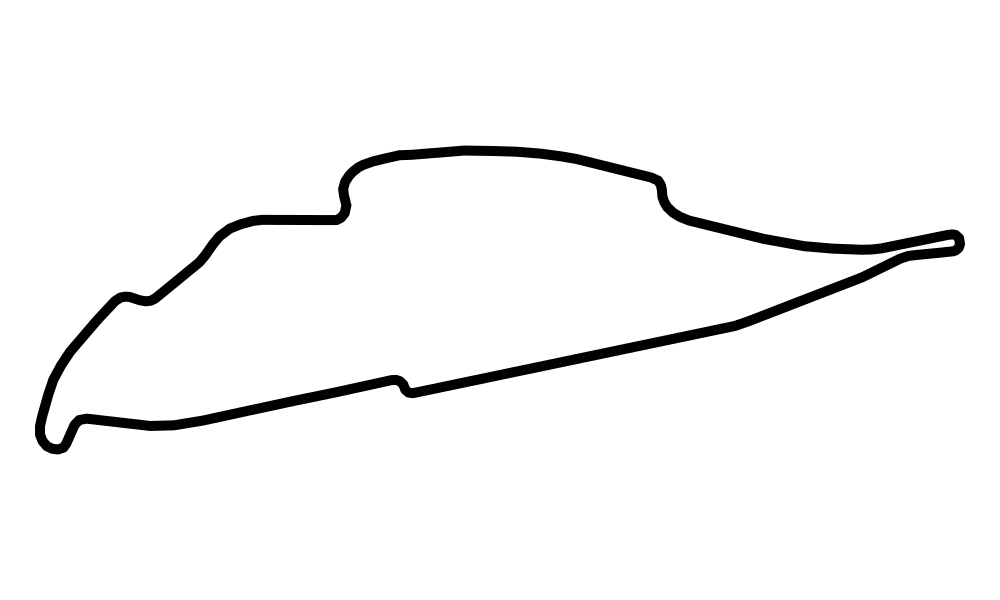
Miami F1 Weekend: Beyond the Track Experience 2026
The Miami F1 weekend blends world-class 2026 Grand Prix racing with the city's unmistakable energy — here's why stepping away from the track can be just as valuable.
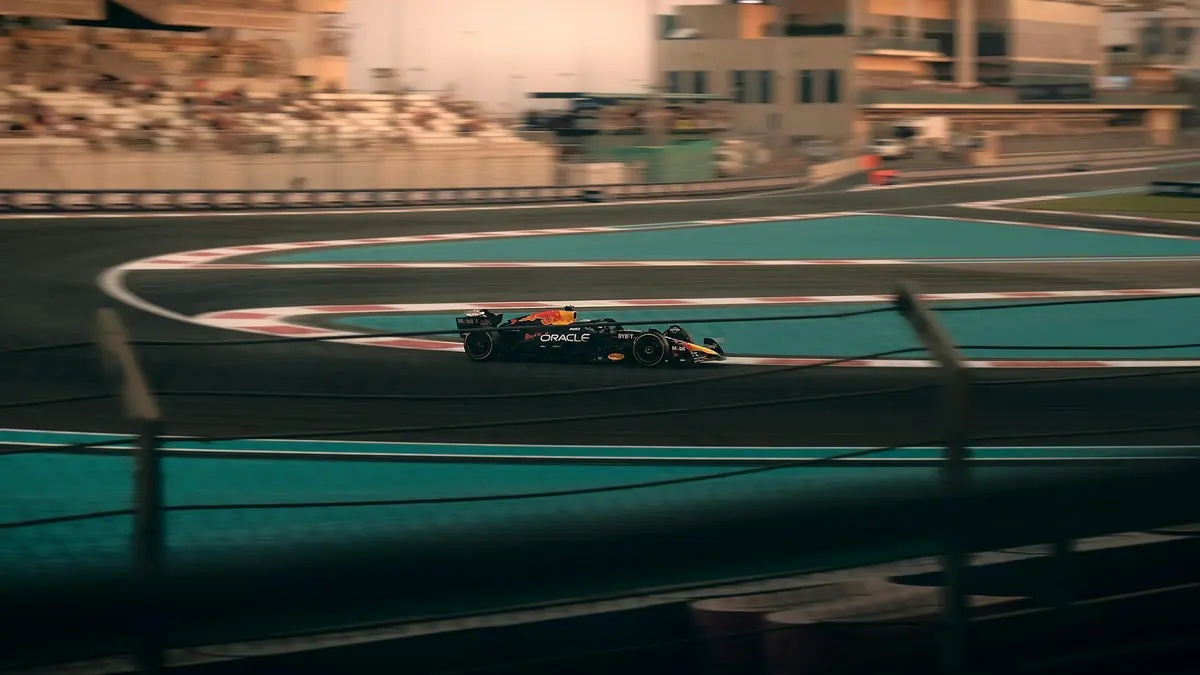
There is no Formula 1 race weekend quite like Miami. From the moment the paddock gates open, the city itself becomes an extension of the spectacle — the air carries a particular electric charge, dinner reservations vanish within minutes of becoming available, and even the most ordinary street corners seem to transform into apexes waiting to be attacked. The Miami Grand Prix is not merely a race; it is a full-sensory cultural event that blends the glamour of motorsport's elite tier with the unmistakable energy of one of America's most vibrant cities.
Yet amid the extravagance and immoderation that define a Formula 1 weekend in South Florida, there is a quieter, more deliberate conversation worth having. Between the track sessions, the paddock hospitality suites, and the late-night celebrations that spill across Brickell and South Beach, there is real and tangible value in stepping away from the noise. In 2026, as Formula 1 continues its remarkable growth across North American markets, understanding how to navigate a Miami F1 weekend — both on and off the circuit — has never been more relevant.
This guide explores what the Miami Formula 1 weekend truly looks like in 2026, why it occupies such a singular position on the global motorsport calendar, and how the weekend's off-track culture intersects with the on-track drama that continues to make F1 the fastest-growing major sport in the United States.
The Miami F1 Weekend Atmosphere: A City Transformed
How Miami Becomes the F1 Calendar's Most Electrifying Stop
What separates the Miami Grand Prix from almost every other stop on the Formula 1 calendar is the degree to which the host city genuinely participates in the spectacle. In many race-hosting cities, the Grand Prix exists as a contained event — fans travel to a circuit, watch racing, and return to a city that remains largely indifferent. Miami does not operate this way. The city absorbs the weekend fully, and the Grand Prix absorbs the city in return.
The air in Miami during a Formula 1 weekend carries a particular energy that is difficult to articulate but impossible to miss. Restaurant reservations across the city's most sought-after dining destinations evaporate days, sometimes weeks, in advance. Every rooftop venue, waterfront terrace, and private member's club fills with a mixture of team principals, celebrity guests, sponsors, journalists, and genuine racing fans who have saved for months to make the trip. The dress code is somewhere between paddock-professional and Miami-casual, which is to say: anything goes, as long as it projects confidence.
For the 2026 season, Formula 1's expanded calendar and continued investment in the North American market means the Miami weekend carries even greater strategic weight. The sport's new generation of technical regulations — featuring the active aerodynamic systems and the overtake boost mechanisms that define the 2026 technical era — have generated enormous media attention globally, and Miami's race provides one of the season's most prominent showcase moments for these innovations in front of an audience that blends hardcore motorsport enthusiasts with casual observers discovering the sport for the first time.
Navigating the Weekend: Track Sessions vs. City Exploration
For those attending the Miami Grand Prix weekend in person, one of the most valuable pieces of advice is also one of the most counterintuitive: do not try to be everywhere at once. The instinct, understandably, is to maximize attendance at every possible session — every practice run, every qualifying moment, every celebrity sighting in the paddock club. But the fans and industry insiders who report the richest experiences from Miami weekends are invariably those who built deliberate time away from the circuit into their schedules.
The track sessions themselves — practice, qualifying, and the race — provide the essential spine of the weekend. In 2026, with the competitive landscape shifting dramatically under the new technical regulations, every session carries analytical weight. Teams are still in the process of fully unlocking the performance potential of their 2026 machinery, meaning free practice sessions in particular offer genuine tactical insight for those watching closely. The qualifying battles between drivers like Lando Norris, Max Verstappen, and Charles Leclerc — each representing programs that have responded differently to the 2026 regulation reset — carry consequences that ripple through race strategy in meaningful ways.
But between those sessions, Miami rewards exploration. The areas surrounding the Hard Rock Stadium circuit offer food, entertainment, and cultural experiences that are genuinely world-class by any standard, not merely by the lowered expectations of temporary race infrastructure. And the broader city, accessible within minutes by rideshare or water taxi, offers experiences that no paddock hospitality suite can replicate.
Context and Background: Why Miami Matters to F1's 2026 Growth Story
The Miami Grand Prix arrived on the Formula 1 calendar relatively recently in the sport's long history, but its impact has been disproportionate to its tenure. The race was conceived as part of Formula 1's deliberate and ambitious strategy to establish deep roots in the United States market, a market that the sport's commercial rights holders identified as critically underdeveloped relative to F1's global profile and the latent enthusiasm for the sport that existed among American audiences.
That strategy has paid dividends that now seem obvious in retrospect but were not guaranteed at the time. American viewership figures for Formula 1 have grown dramatically over recent seasons. Attendance at the Miami, Las Vegas, and Austin races consistently ranks among the highest on the global calendar. Major American sponsors have signed significant partnership deals with F1 teams. And the debut of Cadillac as Formula 1's 11th constructor in the 2026 season — bringing American automotive heritage directly onto the grid alongside established European manufacturers — represents the most tangible expression yet of how seriously the sport has committed to its North American future.
Cadillac's presence on the grid in 2026, with Sergio Perez and Valtteri Bottas driving for the new constructor, adds a particular layer of narrative significance to the Miami weekend. Racing at a circuit that exists specifically because of F1's American ambitions, for a team that embodies those ambitions in corporate form, creates story arcs that resonate beyond the boundaries of traditional motorsport fandom. Miami, more than any other circuit on the 2026 calendar, sits at the intersection of Formula 1's past prestige and its future direction.
The city also reflects, in its own way, the demographic shifts that have defined F1's recent growth. Miami's population is young, diverse, internationally connected, and culturally fluent in exactly the kind of premium lifestyle branding that Formula 1 has embraced as part of its commercial identity. The fit between host city and sport is not accidental — it is the product of deliberate positioning that continues to pay dividends in 2026.
Technical and Strategic Implications of the Miami Circuit in 2026
From a purely technical standpoint, the Miami International Autodrome presents a fascinating set of challenges that have taken on new dimensions under the 2026 regulation framework. The circuit's combination of long straights, medium-speed flowing sections, and tight technical corners creates a demanding aerodynamic compromise that tests teams' ability to balance the competing demands of the new active aero systems.
The 2026 regulations' emphasis on moveable aerodynamic elements and the overtake boost system — designed to promote closer racing and more strategic overtaking opportunities — interact with Miami's track layout in ways that reward both raw power delivery and precise energy management. Teams operating at the front of the 2026 grid have invested enormous resources in understanding how to deploy these systems optimally at circuits like Miami, where the opportunity to use the overtake boost on the circuit's extended straight sections can be decisive in wheel-to-wheel battles.
Tire strategy at Miami has historically been complex, and the 2026 machinery's different weight and power characteristics relative to previous-generation cars add further variables for strategists to model. The combination of Miami's abrasive surface, high ambient temperatures typical of a South Florida spring weekend, and the increased mechanical demands of the 2026 cars creates conditions where the margin between optimal and suboptimal strategic calls is razor-thin — and where the consequences of getting it wrong are fully visible to a global audience of hundreds of millions.
Key Takeaways
The Miami F1 weekend uniquely blends world-class motorsport with genuine city-wide cultural participation, making it unlike almost any other Grand Prix on the calendar.
Stepping away from the circuit between sessions is one of the most consistently recommended strategies for maximizing the overall Miami weekend experience.
Miami's position on the 2026 calendar reflects Formula 1's long-term strategic commitment to the North American market, a commitment that now extends to having an American constructor — Cadillac — on the grid.
The 2026 technical regulations, featuring active aerodynamics and the overtake boost system, add new layers of on-track strategic complexity that make every Miami session analytically valuable.
The city's demographic profile — young, international, premium lifestyle-oriented — aligns closely with Formula 1's target audience, making Miami one of the sport's most commercially significant race weekends.
For fans, journalists, and industry insiders alike, the Miami Grand Prix rewards intentional scheduling: knowing when to be at the track and when to let the city itself become part of the experience.
Frequently Asked Questions
What makes the Miami F1 weekend different from other Grand Prix events?
The Miami Grand Prix is distinctive because the host city participates actively in the spectacle rather than simply hosting it. Restaurant reservations disappear across the wider city, not just near the circuit, and the event attracts a uniquely mixed audience of hardcore motorsport fans, celebrities, sponsors, and first-time F1 attendees. The cultural energy of Miami itself becomes an inseparable part of the weekend experience in a way that is difficult to replicate at other venues.
Why is the Miami Grand Prix so important to Formula 1's 2026 strategy?
Miami represents one of three American Grand Prix events on the 2026 calendar and sits at the heart of Formula 1's sustained push to establish the sport as a mainstream major-league property in the United States. The 2026 season's addition of Cadillac as an American constructor amplifies this significance further, giving the Miami weekend a domestic narrative anchor that resonates with American audiences beyond traditional motorsport demographics.
How do the 2026 F1 regulations affect racing at the Miami circuit specifically?
The 2026 regulations' active aerodynamic systems and overtake boost mechanism interact with Miami's layout in ways that favor both straight-line power and precise energy deployment strategy. The circuit's long straights provide multiple opportunities to deploy the overtake boost system, while the technical middle sector demands careful management of aerodynamic settings — creating a compound strategic challenge that differentiates team performances meaningfully across the weekend.
What is the best way to experience a Formula 1 weekend in Miami?
Experienced attendees consistently recommend building deliberate off-circuit time into the schedule rather than trying to attend every possible session and paddock event. Prioritizing the sessions with the highest on-track significance — qualifying and the race itself — while using practice session windows to explore Miami's broader food, culture, and entertainment offerings tends to produce the richest overall weekend experience. Advance planning for restaurants and transport is essential given how comprehensively the city fills up during Grand Prix weekend.
Conclusion
The Miami Formula 1 weekend in 2026 is many things simultaneously: a high-stakes competitive event under the sport's most significant regulation overhaul in years, a commercial showcase for Formula 1's North American ambitions, a cultural festival that transforms one of America's most energetic cities into a motorsport destination, and — for those who approach it with intention — a genuinely extraordinary experience that rewards both passion for racing and willingness to step back from the immediate spectacle.
Understanding that the Miami F1 weekend is more than the sum of its track sessions is not a dismissal of the racing itself. The 2026 competitive landscape, with teams still unlocking the potential of their active aero machinery and drivers like Norris, Verstappen, Hamilton, and Leclerc pushing the boundaries of what the new technical era allows, means the on-track product in Miami is as compelling as it has ever been. But the city reminds every visitor, with characteristic confidence, that there is real value in the moments between the racing too.
Between the apex and the after-party, between the strategy call and the sunset dinner reservation, the Miami Grand Prix offers a version of Formula 1 that is extravagant, immoderate, and — at its best — genuinely unforgettable. In 2026, that proposition has never been more richly supported by the sport itself.
In this article
Written with AI assistance. How this site works
 Canadian Grand Prix