Mercedes 2026 F1 Season: Benchmark After Three Rounds
Mercedes have emerged as the benchmark of the 2026 F1 field through three rounds, with the Miami Grand Prix next on the calendar. Here's a full analysis.
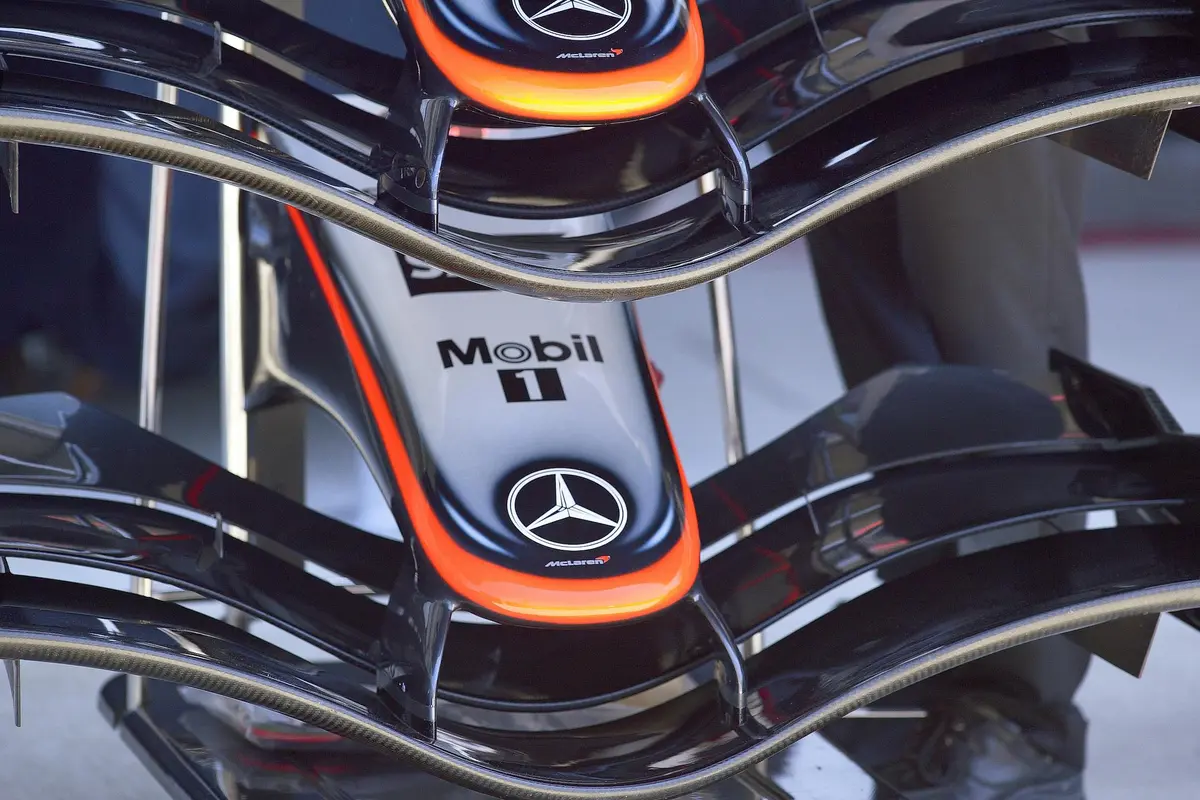
Three rounds into the 2026 Formula 1 World Championship, one narrative has emerged with striking clarity: Mercedes have re-established themselves as the benchmark of the field. According to F1Technical.net's senior writer Balazs Szabo, writing ahead of the upcoming Miami Grand Prix, the Silver Arrows have used the sport's sweeping new regulations to claw back the dominance that eluded them through much of the post-2021 era. For a team that endured years of chasing rivals, the message heading into Miami is unmistakable — Mercedes are back, and the rest of the paddock is on notice.
This assessment, delivered by one of the most respected technical analysts in the sport, carries significant weight. F1Technical.net has long been a trusted voice for engineering-level insight, and when Szabo characterises a team as the "benchmark of the field" through the opening phase of a season, it is not a casual observation. It is a verdict rooted in data, performance patterns, and technical comprehension. As the paddock prepares for Miami, understanding why Mercedes have reached this position demands a closer look at what the 2026 regulations have unlocked — and what it means for the championship fight ahead.
Mercedes in 2026: How the Silver Arrows Became the Team to Beat
The 2026 Regulatory Reset and Its Impact
The 2026 Formula 1 season represents the most comprehensive regulatory overhaul the sport has seen in years. The new technical framework — encompassing radically revised aerodynamic philosophy, the introduction of active aero systems, and a new hybrid power unit formula — effectively reset the competitive order. Every constructor faced an equal-opportunity blank sheet, and it is Mercedes who appear to have interpreted that sheet most effectively through the opening three races.
The active aerodynamic system central to the 2026 rules is one of the most technically demanding challenges teams have faced. Managing the interplay between drag reduction during straight-line running and downforce generation through corners requires extraordinary levels of aerodynamic and software sophistication. Mercedes, with their deep institutional knowledge of complex hybrid and electrical systems — built across their dominant era from 2014 through to their W15 development cycle — were perhaps better positioned than most to master this challenge. The evidence through three rounds appears to support that hypothesis.
George Russell, now in his fifth season with the team, and Andrea Kimi Antonelli, in his second year after an impressive rookie campaign in 2025, form a pairing that gives Mercedes both experience and raw pace. The dynamic between a seasoned number-one contender and a rapidly developing young talent mirrors some of the most productive driver line-ups in the sport's history, and both men are understood to be extracting the maximum from the new Mercedes package.
Benchmark Status: What It Means in a Competitive 2026 Field
Being described as the benchmark after three rounds of a new regulatory era is a meaningful distinction, but it does not signal invulnerability. The 2026 grid is the deepest and most technically diverse in recent memory. McLaren, who claimed the Constructors' Championship in 2024 with Lando Norris and Oscar Piastri, arrive in 2026 as genuine title contenders. Ferrari, with Charles Leclerc and Lewis Hamilton — now in his second season at Maranello — have invested heavily in their 2026 challenger. Red Bull, anchored by four-time champion Max Verstappen and newly promoted Isack Hadjar, remain a constant threat. Audi have launched their debut season with Nico Hulkenberg and Gabriel Bortoleto, while the new Cadillac outfit adds a genuine 11th team to the mix.
Within this context, Mercedes holding benchmark status through three rounds is not merely a feel-good storyline. It reflects consistent pace across qualifying and race trim, strong operational execution, and — critically — a car that appears to have a working performance window across different circuit characteristics. That last point is crucial: a team that is fast at one type of circuit but struggles at another is not truly the benchmark. If Szabo's assessment holds, Mercedes' advantage is multi-faceted and circuit-agnostic through the early rounds.
Context and Background: Mercedes' Journey Back to the Front
To fully appreciate what Mercedes achieving benchmark status in 2026 represents, it is important to understand the journey that preceded it. The team's period of dominance from 2014 to 2021 — delivering seven consecutive Constructors' Championships — was one of the most sustained periods of excellence in the sport's history. However, the introduction of the ground-effect regulations in 2022 initially wrong-footed the Brackley-based outfit, producing the problematic porpoising and aerodynamic instability that hampered their W13 and subsequent challengers.
The 2023 and 2024 seasons saw gradual improvement but the team fell short of recapturing outright dominance, with Red Bull and later McLaren setting the pace. The departure of Lewis Hamilton to Ferrari ahead of the 2025 season — a move that sent shockwaves through the paddock — was simultaneously a moment of significant transition and, with hindsight, an opportunity to redefine the team's technical and driver identity. The promotion of Antonelli as Hamilton's replacement for 2025 was a bold signal of intent, and the Italian's development through his debut year laid a foundation for the 2026 challenge.
The 2026 regulations, then, did not simply hand Mercedes an advantage — they rewarded years of accumulated learning. Every failure, every correlation issue, every performance deficit the team worked through between 2022 and 2025 fed into the engineering philosophy that has produced what Szabo identifies as the field's benchmark machine heading into Miami.
Technical and Strategic Implications Ahead of the Miami Grand Prix
With the Miami Grand Prix approaching as the fourth round of the 2026 season, the strategic implications of Mercedes' standing are significant. Miami has historically been a circuit that rewards aerodynamic efficiency and power unit performance across its mix of medium-speed corners and long straights — characteristics that align well with what a benchmark 2026 car should be able to exploit. If Mercedes can convert their early-season form into a strong result at Miami, the psychological and points-table advantages could begin to compound.
For rivals, the technical responses are already in motion. In the modern F1 development race, a team's upgrade trajectory is as important as their baseline pace. Teams like McLaren and Ferrari will be bringing development packages designed to close any gap to Mercedes, and Red Bull — historically adept at in-season development — will not be idle. The three-round "benchmark" label is a starting gun for the rest of the grid as much as it is a validation for Mercedes.
From a strategic standpoint, Mercedes' position also has implications for the Drivers' Championship picture. Whether Russell or Antonelli leads the internal standings will shape team orders and strategic priority as the season develops — an increasingly important variable as the championship fight intensifies through the European rounds and beyond.
Key Takeaways
- Mercedes are the 2026 benchmark: F1Technical.net's Balazs Szabo has identified Mercedes as the benchmark of the field through the opening three rounds of the 2026 season.
- Regulatory reset rewarded Mercedes: The sweeping 2026 technical regulations — including active aero systems and a new power unit formula — appear to have suited Mercedes' engineering strengths.
- Russell and Antonelli are delivering: The Mercedes driver pairing of George Russell and Andrea Kimi Antonelli is providing both experience and pace to support the team's strong start.
- Miami is the next proving ground: The upcoming Miami Grand Prix represents the fourth round and a key opportunity for Mercedes to consolidate — or for rivals to respond.
- The field is not standing still: McLaren, Ferrari, Red Bull, and others will be developing hard to challenge Mercedes' early advantage; the benchmark label is a challenge as much as a compliment.
- Championship context is building: Three rounds in, the points standings are beginning to shape narratives around both the Drivers' and Constructors' championships.
Frequently Asked Questions
Why are Mercedes the benchmark of the 2026 F1 field after three rounds?
According to F1Technical.net's senior writer Balazs Szabo, Mercedes have demonstrated consistent performance across the opening three rounds of the 2026 season. The team's ability to master the new 2026 technical regulations — particularly the active aerodynamic systems and revised power unit formula — appears to have given them an early competitive advantage over the rest of the field.
Where is the next Formula 1 race in 2026 after the first three rounds?
As reported by F1Technical.net, the next round of the 2026 Formula 1 season is the Miami Grand Prix. The article by Balazs Szabo was written as a standings overview ahead of the action resuming at Miami, making it the fourth round of the championship.
Who are Mercedes' drivers in the 2026 F1 season?
Mercedes are fielding George Russell, now in his fifth season with the team, alongside Andrea Kimi Antonelli, who is in his second year at the team having joined as a rookie in 2025. The pairing combines Russell's established Grand Prix experience with Antonelli's emerging talent and growing race craft.
How does Mercedes' 2026 form compare to their struggles between 2022 and 2025?
Mercedes faced significant challenges following the introduction of the 2022 ground-effect regulations, which initially produced an uncompetitive car before gradual improvement over subsequent seasons. The 2026 regulatory reset has apparently allowed Mercedes to re-establish the kind of early-season dominance that characterised their record-breaking run from 2014 to 2021, with Szabo's analysis suggesting the team has arrived at the new rules in a position of strength.
Conclusion
Three rounds into what promises to be a transformative chapter in Formula 1, Mercedes have sent a clear signal to the paddock. F1Technical.net's Balazs Szabo, whose technical analyses carry the confidence of deep engineering understanding, has named them the benchmark of the 2026 field — a label that reflects not just raw pace but consistent, well-rounded performance across the season's opening venues.
The significance of this assessment cannot be overstated in the context of where Mercedes have come from. The regulatory reset that 2026 represents gave every team an opportunity to redefine themselves, and the Silver Arrows appear to have seized that opportunity more effectively than their rivals through the early rounds. For George Russell, for Andrea Kimi Antonelli, and for a technical department that has worked through years of adversity to reach this point, the stakes heading into Miami are enormous.
The Miami Grand Prix will provide the next chapter. Can Mercedes consolidate their benchmark standing under the pressure of a motivated McLaren, a resurgent Ferrari with Hamilton and Leclerc, and the eternal threat of Max Verstappen's Red Bull? The 2026 championship is still young, the development war is intensifying, and every point from here carries championship weight. What is clear is that, through three rounds, Mercedes have earned the right to be called the team to beat — and the rest of the paddock knows it.
In this article
Written with AI assistance. How this site works
 Canadian Grand Prix