Haas Braced for Miami GP Disruption Amid F1 Energy Rule Uncertainty
TGR Haas is braced for a disrupted Miami GP weekend as the FIA and Formula 1 work to resolve 2026 energy management concerns requiring revised power unit software.
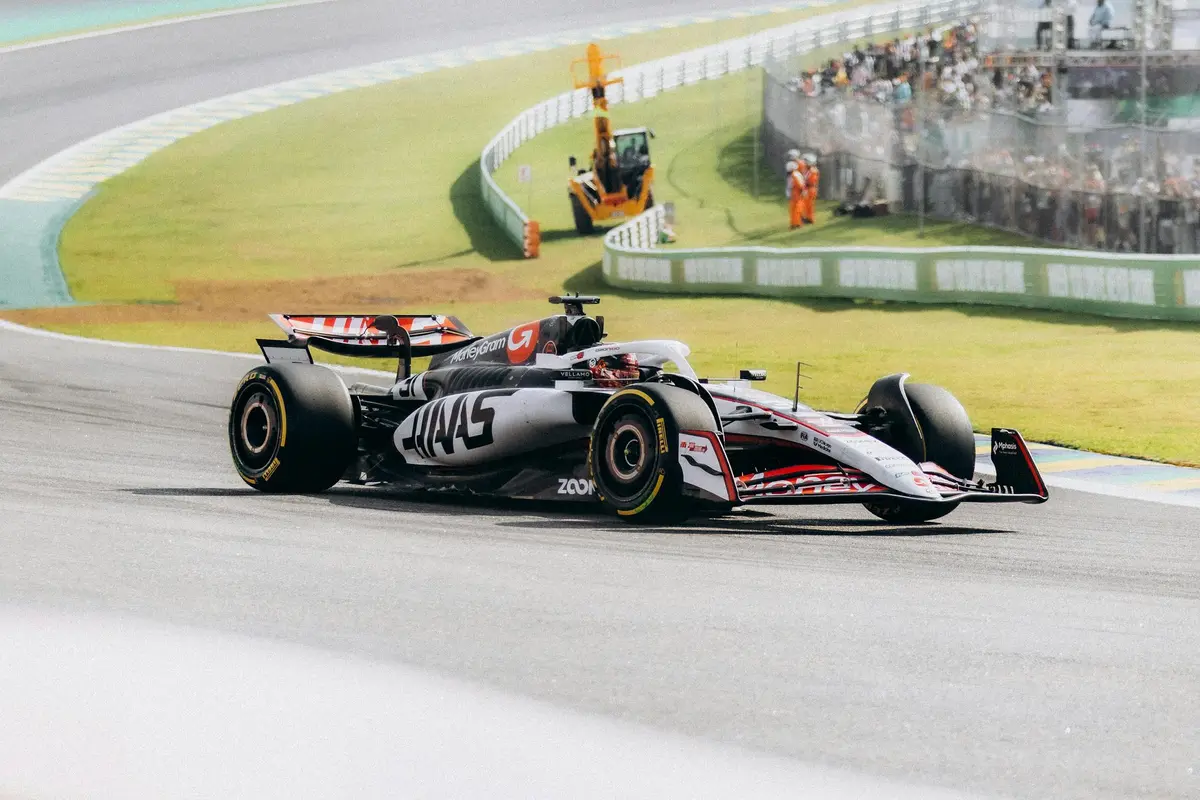
Haas Faces Miami GP Shake-Up as F1 Energy Management Talks Continue
TGR Haas is preparing for a potentially disrupted Miami Grand Prix weekend as Formula 1's governing bodies work to resolve persistent concerns surrounding energy management under the 2026 technical regulations. With talks between the FIA, Formula 1, and the competing teams continuing throughout April following issues identified in the opening rounds of the season, Haas finds itself among the teams braced for last-minute changes that could reshape the competitive picture heading into one of the calendar's most high-profile events.
The Technical Background: Why Energy Management Is a 2026 Flash Point
The 2026 F1 regulations introduced a sweeping overhaul of the power unit architecture, placing far greater emphasis on electrical energy recovery and deployment than in any previous era of the sport. The new formula significantly increased the role of the Motor Generator Units, with a larger proportion of total power output now derived from electrical systems. In theory, this creates a more sustainable and evenly matched power landscape. In practice, however, the opening rounds of the 2026 season have exposed real-world discrepancies in how teams and power unit suppliers interpret and execute energy deployment and harvesting strategies.
Those early-season anomalies triggered formal discussions between the FIA, the commercial rights holder, and team representatives — a process that has reportedly been ongoing throughout April. The core issue appears to centre on how energy is deployed and recovered across different phases of a lap, with some configurations potentially offering performance advantages that the regulations did not intend to permit.
Critically, any agreed resolution to these concerns will require revised software from power unit manufacturers. This is not a trivial ask. Rewriting and validating power unit control software is a time-intensive process, and deploying such changes mid-season — particularly on the eve of a race weekend — introduces significant operational complexity for every team on the grid.
Why Haas Is Particularly Exposed
For TGR Haas, the timing and nature of the disruption carries specific weight. Haas, powered by a customer power unit arrangement, has less direct influence over the software development timeline than works teams. When a power unit supplier issues revised software, customer teams must integrate, validate, and adapt their own car setup and strategy tools to the new parameters — often with less lead time than factory-backed operations.
Haas drivers Esteban Ocon and Oliver Bearman have been working to extract the maximum from a package that has shown both promise and vulnerability in the 2026 season's opening rounds. Any mid-weekend software update or revised energy deployment map would require the engineering team to recalibrate their approach to energy deployment across the Miami International Autodrome's unique mix of high-speed straights and technical corners — a circuit that already places heavy demands on energy management systems.
Broader Grid Implications: No Team Is Immune
While Haas has been specifically identified as bracing for disruption, it would be misleading to suggest this is an isolated concern. The ongoing FIA and F1 discussions involve all teams, and any regulatory clarification or software mandate will affect the entire grid to varying degrees. Works teams — including Ferrari with Charles Leclerc and Lewis Hamilton in his second year at the Scuderia, Mercedes with George Russell and Andrea Kimi Antonelli, and Red Bull with Max Verstappen and Isack Hadjar — will all face the same software revision demands from their respective power unit operations.
Audi, in their debut season as a full constructor, face a particularly sensitive situation. As a works team developing their own power unit, any software revision touches the very core of their technical programme. Similarly, Cadillac, making their F1 debut in 2026 as the grid's eleventh team, will be watching closely to understand how any clarification affects the customer supply chain they depend upon.
The wider competitive narrative of the 2026 season — already shaped by the dramatic shift in car concept brought about by active aerodynamics and the new overtake boost system — could be meaningfully altered if the energy management framework is tightened or clarified at a circuit like Miami, where raw power unit performance plays a decisive role.
Key Takeaways
- TGR Haas is explicitly braced for a disrupted Miami GP weekend linked to ongoing F1 energy management uncertainty.
- Talks between the FIA, Formula 1, and teams have been ongoing throughout April following issues in the 2026 season's opening rounds.
- Any agreed resolution will require revised power unit software, adding operational complexity for all teams.
- Customer teams like Haas have less control over software revision timelines compared to works operations.
- The issue has grid-wide implications, touching Ferrari, Mercedes, Red Bull, Audi, and Cadillac among others.
- Miami's circuit characteristics make energy management especially critical, amplifying the stakes of any regulatory change.
Frequently Asked Questions
What is the F1 energy management controversy affecting the 2026 season?
Following the opening rounds of the 2026 Formula 1 season, the FIA, Formula 1 and the teams identified concerns over how energy is deployed and harvested under the new power unit regulations. Discussions have been ongoing throughout April to clarify or amend the rules, with any agreed changes requiring revised software from power unit manufacturers.
Why is Haas particularly affected by the F1 energy rule uncertainty at Miami?
As a customer power unit team, Haas has less direct influence over the pace and content of software revisions issued by its supplier. This means any mid-season software update ahead of or during the Miami GP weekend creates significant integration and setup challenges for the team and its drivers, Esteban Ocon and Oliver Bearman.
How could revised energy management software affect the Miami Grand Prix outcome?
Miami's circuit layout, featuring long straights and demanding technical sections, places heavy reliance on effective energy deployment and recovery. If revised power unit software alters the energy maps or harvesting behaviour available to teams, it could shift the performance hierarchy at a circuit where power unit efficiency is a key differentiator, potentially reshuffling qualifying and race pace across the grid.
Conclusion
The energy management uncertainty hanging over the Miami Grand Prix is a reminder that the 2026 Formula 1 regulations, for all their ambition, are still being stress-tested in competitive conditions. For Haas, the prospect of a disrupted weekend adds pressure to an already demanding stretch of the calendar. For the sport at large, how the FIA and Formula 1 resolve these concerns — and how quickly revised software can be deployed — will say much about the governance agility of the new regulatory era. All eyes will be on the Miami paddock to see whether clarity arrives in time to give every team a stable platform to compete on.
In this article
Written with AI assistance. How this site works
 Canadian Grand Prix