George Russell: 2026 F1 Rules Would Bar Top Rivals
George Russell has hinted that some of his current F1 rivals would never have reached the grid had they started their careers under the 2026 regulatory landscape.
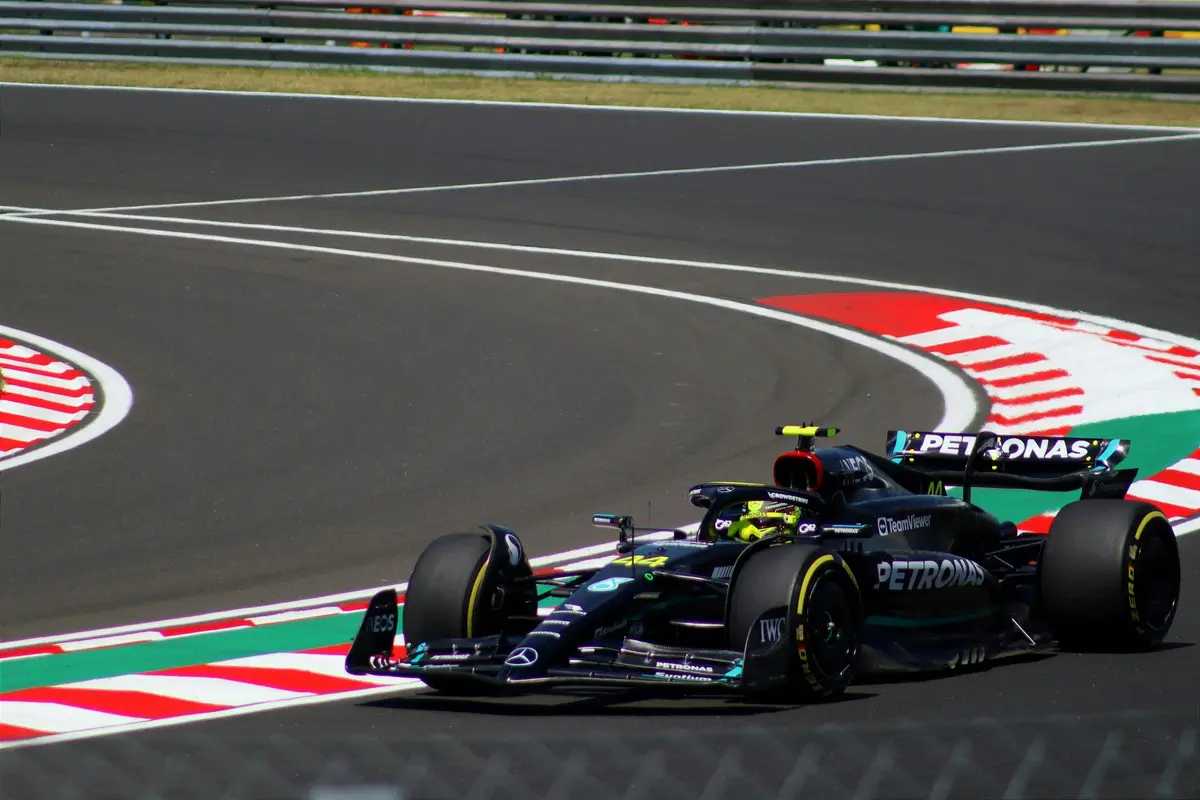
George Russell Suggests 2026 F1 Regulations Would Have Kept Some Rivals Off the Grid
Mercedes driver George Russell has made a striking and thought-provoking claim: that several of his most celebrated rivals on the current Formula 1 grid would never have become F1 drivers at all had they begun their careers under the pathway and regulations that define the sport in 2026. The comment, reported by GPfans.com, arrives at a pivotal moment for Formula 1 — a season already transformed by sweeping technical regulation changes, active aerodynamics, and a dramatically restructured competitive landscape. Russell's hint is deceptively simple but opens a profound debate about meritocracy, opportunity, and the evolving gatekeeping mechanisms of the sport's driver development ecosystem.
What Russell's Hint Really Means for F1's Driver Pathways
George Russell is not a driver who speaks carelessly. As one of the most analytically minded personalities on the grid — a driver who rose through the Mercedes junior programme, spent three years at Williams before earning his seat at the Silver Arrows in 2022, and now serves as one of the team's senior figures — his words carry institutional weight. When Russell suggests that some of his illustrious rivals would not have made it to Formula 1 under today's system, he is inviting scrutiny of how the modern driver pathway has changed compared to even a decade ago.
The 2026 season represents arguably the most significant regulatory reset in modern F1 history. New power unit regulations, revised aerodynamic philosophies built around active aero systems, and an overtake boost mechanism have fundamentally altered what it means to be a Formula 1 driver. Teams are demanding not just raw speed, but a highly specific technical intelligence — the ability to manage complex hybrid deployment strategies, interact meaningfully with engineers on active aero settings, and adapt to cars that respond differently from anything seen in previous eras.
The implication in Russell's statement is twofold. First, the physical and technical demands of 2026-spec cars may not suit every driving style that flourished under older regulations. Second — and perhaps more significantly — the commercial and regulatory pathways that govern which young drivers receive opportunities have tightened considerably. The FIA Super Licence points system, the consolidation of junior series, and the increasing dominance of manufacturer-backed academies mean that the funnel through which talent must pass is far narrower today than it was when some of the grid's most decorated names were coming through.
Which Rivals Could Russell Be Referring To?
Russell pointedly declined to name names, which is itself a strategic choice — it amplifies the intrigue while keeping him diplomatically insulated. However, the 2026 grid is rich with drivers whose careers were shaped by a very different era of F1. Fernando Alonso, currently representing Aston Martin in what is now his fourth distinct stint in Formula 1, broke into the sport in the early 2000s through a landscape where manufacturer budgets, personal sponsorship, and outright pace in a less formalized junior structure were often sufficient. Alonso is widely acknowledged as one of the greatest drivers in the sport's history, yet under today's rigidly structured academy systems and Super Licence requirements, his trajectory could have been markedly different.
Similarly, drivers like Valtteri Bottas — now representing the newly debuted Cadillac F1 team alongside Sergio Perez — built their careers through pathways that no longer exist in their original form. The commercialization of junior categories and the intensification of manufacturer control over development seats mean that financial backing, brand alignment, and academy affiliation now weigh heavily alongside pure talent metrics in determining who reaches the pinnacle.
Russell's comment also lands in the context of a 2026 grid that features an unprecedented wave of youth: Isack Hadjar at Red Bull, Andrea Kimi Antonelli in his second season at Mercedes, Arvid Lindblad at Racing Bulls, and Franco Colapinto at Alpine all represent a generation forged entirely within the post-2020 regulatory and developmental frameworks. These drivers have, in effect, been optimized for the modern system — which may be exactly the point Russell is making.
The Broader Context: 2026 Regulations and the New F1 Driver Profile
The 2026 technical regulations have prompted every team on the grid to reassess what they want from a driver. Active aerodynamics introduce a layer of in-cockpit management complexity that rewards cognitive bandwidth as much as mechanical sensitivity. The overtake boost system — a driver-deployable power mode — adds a strategic dimension that requires precise situational awareness at race speeds. These demands profile differently from the raw mechanical feel and fearlessness that defined the ideal F1 driver of previous generations.
Russell's observation implicitly challenges the romanticized narrative that the very best talent always finds a way through. In reality, the pathway to F1 has always been shaped by circumstances beyond pure ability — but in 2026, those circumstances are more formalized, more commercially driven, and arguably more exclusionary than at any previous point in the sport's history. Whether that is a positive evolution — producing better-prepared, more technically rounded drivers — or a regrettable narrowing of the talent pool is a question the sport's leadership is actively grappling with.
Key Takeaways
- George Russell has suggested that some current F1 rivals would not have reached the grid had they started their careers under 2026's regulatory and developmental landscape.
- The 2026 season represents a historic regulatory reset, with active aerodynamics, new power units, and an overtake boost system reshaping the demands placed on drivers.
- The modern F1 driver pathway — dominated by manufacturer academies and the Super Licence points system — is significantly more structured and commercially driven than in previous eras.
- Russell's comment invites reflection on drivers like Alonso and Bottas, whose routes to F1 were forged through a markedly different environment.
- The 2026 grid's influx of academy-bred young talent underscores the generational shift Russell appears to be referencing.
- The statement raises important questions about meritocracy and opportunity in Formula 1's gatekeeping mechanisms.
Frequently Asked Questions
What did George Russell say about his rivals and the 2026 F1 regulations?
Russell hinted, as reported by GPfans.com, that some of his illustrious rivals on the current Formula 1 grid would not have become F1 drivers had they started their racing careers in 2026, suggesting the modern pathway and regulatory environment represents a fundamentally different — and more demanding — entry barrier than existed in earlier eras.
How have the 2026 F1 regulations changed the demands on drivers?
The 2026 regulations introduced active aerodynamics, revised power unit rules, and an overtake boost mechanism. These changes require drivers to manage greater in-cockpit complexity, including deployment strategies and active aero settings, placing a higher premium on technical intelligence alongside traditional driving skill.
Which drivers on the 2026 grid does Russell's comment most likely refer to?
Russell did not name specific rivals. However, veterans such as Fernando Alonso (Aston Martin) and Valtteri Bottas (Cadillac) — drivers who broke into F1 during eras with less formalized junior structures — are the most natural subjects of his observation, given that their career trajectories were shaped by a very different commercial and regulatory landscape.
Conclusion
George Russell's pointed hint is more than an offhand comment — it is a window into a fundamental tension at the heart of modern Formula 1. As the 2026 season redefines what a Formula 1 car demands of its driver, it simultaneously redefines who gets the chance to sit in one. The sport's greatest challenge may not be technological at all, but human: ensuring that the increasingly sophisticated and commercially controlled pathway to the grid does not inadvertently filter out the very brilliance that makes Formula 1 worth watching.
In this article
Written with AI assistance. How this site works
 Canadian Grand Prix