Ferrari and Red Bull Filming Days: Miami GP Aero Push
Ferrari and Red Bull have both used their 200km filming day allowance this week to validate aerodynamic updates ahead of the Miami Grand Prix.
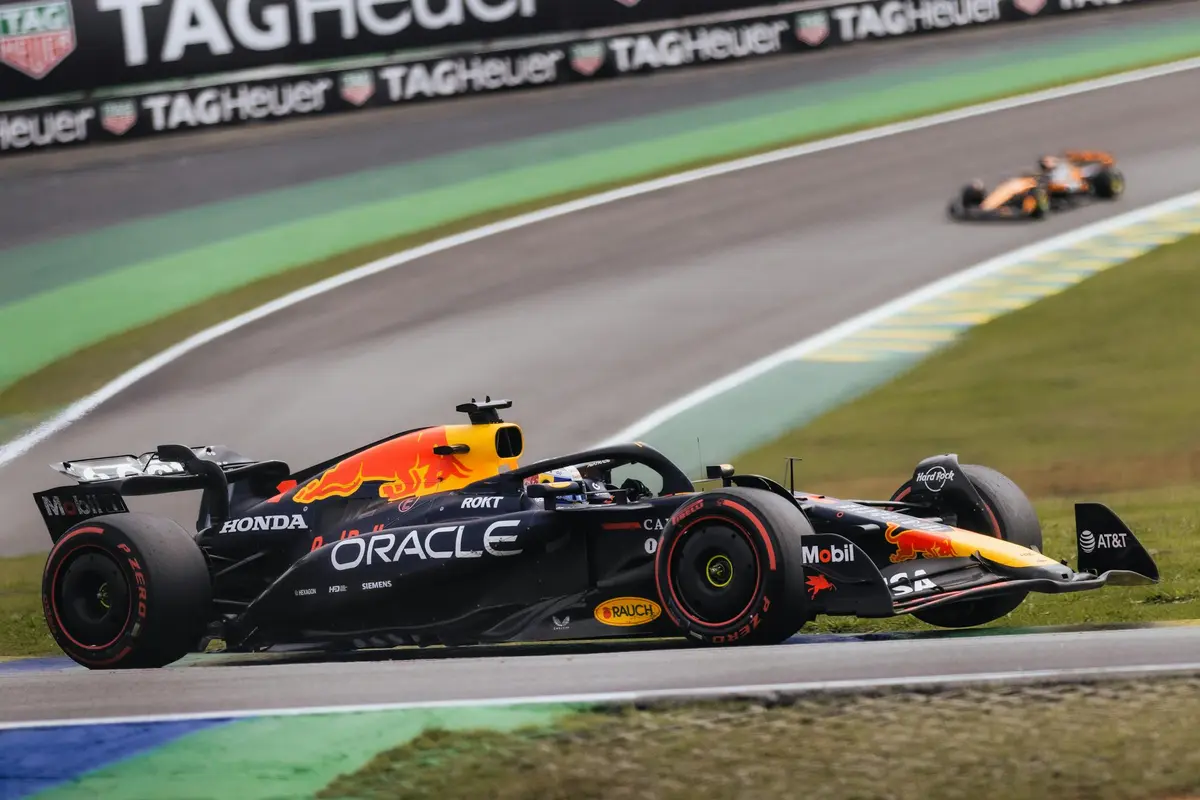
With the Miami Grand Prix approaching on the 2026 Formula 1 calendar, both Ferrari and Red Bull have made a calculated decision to deploy their 200-kilometre filming day allowances this week — each outfit conducting tightly controlled running sessions designed to validate significant aerodynamic developments. In a season already defined by sweeping regulatory change, these filming days represent far more than routine track time. They are a window into the development trajectories of two of the sport's most ambitious programmes, and a signal that neither team is willing to arrive in Florida without first stress-testing their latest aero packages under real-world conditions.
Filming days are governed by strict FIA regulations: teams are limited in tyre compounds, fuel loads, and total distance — capped at 200 kilometres — and the sessions must ostensibly serve promotional purposes. In practice, however, the engineering intelligence gathered from even a single day of structured aero validation can prove invaluable, particularly when major updates are in the pipeline. That both Ferrari and Red Bull chose to run simultaneously this week underscores how fiercely contested the 2026 development race has become.
What Ferrari and Red Bull Are Really Doing With Their Filming Days
Aerodynamic Validation Under the 2026 Regulations
The 2026 Formula 1 season introduced the most radical technical overhaul in recent memory. Active aerodynamics — including systems that adjust bodywork in real time to balance straight-line efficiency with cornering downforce — sit at the heart of the new regulatory framework. Teams are still navigating the correlation between their computational fluid dynamics (CFD) models, wind tunnel data, and what their cars actually do on track. Filming days, with their controlled conditions and defined route, offer an opportunity to run specific aero configurations and gather real-world correlation data without burning into the more precious practice session mileage that accumulates toward pre-season and in-season testing limits.
For Ferrari, now in their second consecutive season operating with Lewis Hamilton alongside Charles Leclerc, the pressure to deliver a front-running package has never been higher. Hamilton's arrival at the Scuderia in 2025 raised expectations enormously, and heading into 2026 the team is acutely aware that their aerodynamic development pace will define their championship credentials. Running a filming day ahead of Miami suggests Ferrari have tangible updates ready to validate — components that have cleared the CFD and tunnel phases and now need on-track confirmation before being committed to race specification.
Red Bull, meanwhile, face their own distinct set of pressures. Max Verstappen remains the benchmark, but the 2026 regulations have disrupted the competitive order in ways that have made previous aero advantages harder to carry forward. With Isack Hadjar now in the second seat after his promotion from Racing Bulls for this season, the team is also managing a development programme that must serve two distinct driver profiles. A filming day dedicated to aero validation ahead of Miami indicates Red Bull believe they have meaningful performance to find — and that they want answers before the race weekend, not during it.
The Strategic Calculation Behind Pre-Miami Running
Miami is a circuit that places a premium on aerodynamic balance. The combination of medium-to-high-speed sections, heavy braking zones, and a final sector that rewards efficient drag management makes it an ideal venue to introduce aero updates — provided those updates have been properly validated first. Both teams' decision to use filming day kilometres immediately before this event rather than banking them for a later point in the season speaks to confidence: they believe the updates they are running are race-ready, and they want the engineering team to have real correlation data before final setup decisions are locked in for the Florida race.
There is also a competitive intelligence dimension to consider. Filming days are public knowledge — other teams' scouts, data analysts, and technical directors monitor who is running, where, and when. The fact that Ferrari and Red Bull both committed to running this week sends a message to the rest of the field: both organisations have invested heavily in their development pipelines and are not waiting to deploy new components. For rivals including McLaren, Mercedes, and the resurgent midfield operations, that is a signal worth noting.
Context: The 2026 Development War in Full Swing
The 2026 Formula 1 season has unfolded against a backdrop of genuine competitive uncertainty. The introduction of active aerodynamics and an overhauled power unit formula — designed to bring the electrical deployment side of hybrid systems closer to parity with internal combustion contributions — has shuffled the competitive hierarchy in ways that were difficult to predict even from pre-season testing. Teams that excelled under previous frameworks have found themselves working harder to extract performance, while others have made early strides that surprised the paddock.
Ferrari's investment in aerodynamic infrastructure in recent seasons has been substantial. The team's updated wind tunnel operations and expanded CFD capacity have been reported as key pillars of their long-term performance plan. Validating updates via a filming day before Miami is consistent with a development methodology that emphasises incremental, data-backed progress rather than gambling on large packages at race weekends without prior on-track confirmation.
Red Bull's situation is equally fascinating. Adrian Newey's departure — which became official ahead of the 2025 season — marked a significant moment of transition for the Milton Keynes outfit. The team has publicly committed to demonstrating that their technical infrastructure is robust enough to sustain elite performance without any single individual. Their willingness to run a filming day focused on aero development is, in one sense, a statement of intent: the development machine at Red Bull continues to produce meaningful updates, and the team is not in a holding pattern.
Beyond these two teams, the broader 2026 grid is navigating a season full of new narratives. Audi — operating in their debut season after rebranding from Sauber — are climbing their own steep learning curve. Cadillac, the all-new eleventh team on the grid, are building their programme from scratch. Racing Bulls continue to bed in Liam Lawson and rookie Arvid Lindblad. Against this backdrop, the focused, professional approach of Ferrari and Red Bull to their filming day allocations reflects the experience gap that still exists between the established frontrunners and the rest of the field.
Technical and Strategic Implications for the Miami Grand Prix
From a purely technical standpoint, the most significant implication of this week's filming days is that both Ferrari and Red Bull are likely to arrive in Miami with updated aerodynamic specifications that have been validated under representative conditions. This reduces — though does not eliminate — the risk of correlation failures during practice sessions, where track time is limited and the pressure to set competitive lap times begins almost immediately.
Teams that introduce major aero updates at a race weekend without prior on-track validation often spend Friday practice chasing unexpected handling characteristics rather than optimising setup. By using filming days to pre-validate their packages, Ferrari and Red Bull are effectively buying themselves cleaner practice programmes — a meaningful strategic advantage when FP1 and FP2 data drives Saturday qualifying setup decisions.
For fans and analysts watching the 2026 championship battle develop, this week's filming day activity is a reminder that Formula 1 is a year-round engineering competition. The racing is the visible tip of a very large iceberg; beneath the surface, teams are constantly iterating, validating, and deploying developments that will shape the championship over the months ahead. Miami now arrives with heightened technical intrigue on both the Ferrari and Red Bull sides of the garage.
Key Takeaways
- Ferrari and Red Bull both used their 200-kilometre filming day allowance this week ahead of the Miami Grand Prix, indicating coordinated aerodynamic development pushes from both outfits.
- Filming days allow teams to validate aero updates under real-world conditions without drawing on race weekend or formal testing allocations — a strategic use of a tightly regulated resource.
- The 2026 active aerodynamics regulations have made CFD-to-track correlation more challenging, increasing the value of any structured on-track running before a race event.
- Ferrari, with Hamilton in his second year alongside Leclerc, and Red Bull, with Verstappen leading alongside promoted rookie Hadjar, both face significant performance expectations entering Miami.
- Pre-race aero validation reduces the risk of correlation failures during practice, effectively giving both teams a cleaner setup baseline for Friday running in Florida.
- The simultaneous deployment of filming days by two top teams signals that the 2026 development war is intensifying, with meaningful updates already in the pipeline at the season's early stages.
Frequently Asked Questions
What is an F1 filming day and how is it regulated?
An F1 filming day is a limited testing session that teams are permitted to conduct under FIA regulations, ostensibly for promotional and media purposes. The total running distance is capped — currently at 200 kilometres per session — and there are restrictions on tyre compounds and car specification. Despite their promotional framing, filming days are routinely used by teams to gather aerodynamic and mechanical data under real-world track conditions.
Why did Ferrari and Red Bull choose to run filming days ahead of Miami specifically?
Based on the source information, both teams used their filming day allowance this week to validate significant aerodynamic developments ahead of the Miami Grand Prix. Miami's circuit characteristics — combining medium-to-high-speed corners with drag-sensitive sections — make it a logical venue to debut refined aero packages, provided those packages are confirmed on track beforehand rather than risk-tested during the race weekend itself.
How do filming days fit into the broader 2026 F1 development picture?
Under the 2026 technical regulations, teams are working to correlate complex active aerodynamic systems between simulated environments and actual track performance. Filming days provide structured, lower-pressure running that helps close the gap between wind tunnel predictions and real-world behaviour. For teams like Ferrari and Red Bull, who are investing heavily in aero development this season, these sessions represent an important step in the validation pipeline before new components enter competitive use.
Does running a filming day give Ferrari or Red Bull an unfair advantage?
No — filming days are available to all teams under the same regulatory framework, and each outfit receives the same 200-kilometre allocation per session. The advantage comes not from the access itself but from how intelligently a team deploys that allocation: choosing the right moment in the development cycle, the right circuit, and the right aero configurations to test. Ferrari and Red Bull's decision to run this week reflects disciplined planning rather than any regulatory loophole.
Conclusion
The decision by both Ferrari and Red Bull to deploy their filming day allocations this week — focused squarely on aerodynamic validation ahead of Miami — offers a clear illustration of how Formula 1's championship battles are won and lost long before a single qualifying lap is turned. In a 2026 season defined by regulatory revolution and genuine competitive uncertainty, the teams that manage their development resources most efficiently and validate their updates most rigorously will be the ones who convert pace into points when it matters.
Ferrari, with Hamilton and Leclerc pushing the Scuderia toward the front, and Red Bull, with Verstappen and Hadjar anchoring one of the sport's most formidable technical operations, have both made a clear statement this week: Miami is not a race they intend to approach without their best available aerodynamic tools already confirmed and ready. The 2026 development war is not just being fought on track — it is being fought in wind tunnels, CFD labs, and on filming day circuits across Europe. This week, both Ferrari and Red Bull showed exactly how seriously they are taking that fight.
In this article
Written with AI assistance. How this site works
 Canadian Grand Prix