Andrea Stella Calls for F1 2026 Regulation Changes at Miami GP
McLaren's Andrea Stella has issued a public call for F1 2026 regulation changes ahead of the Miami GP, urging teams to unite behind targeted refinements.
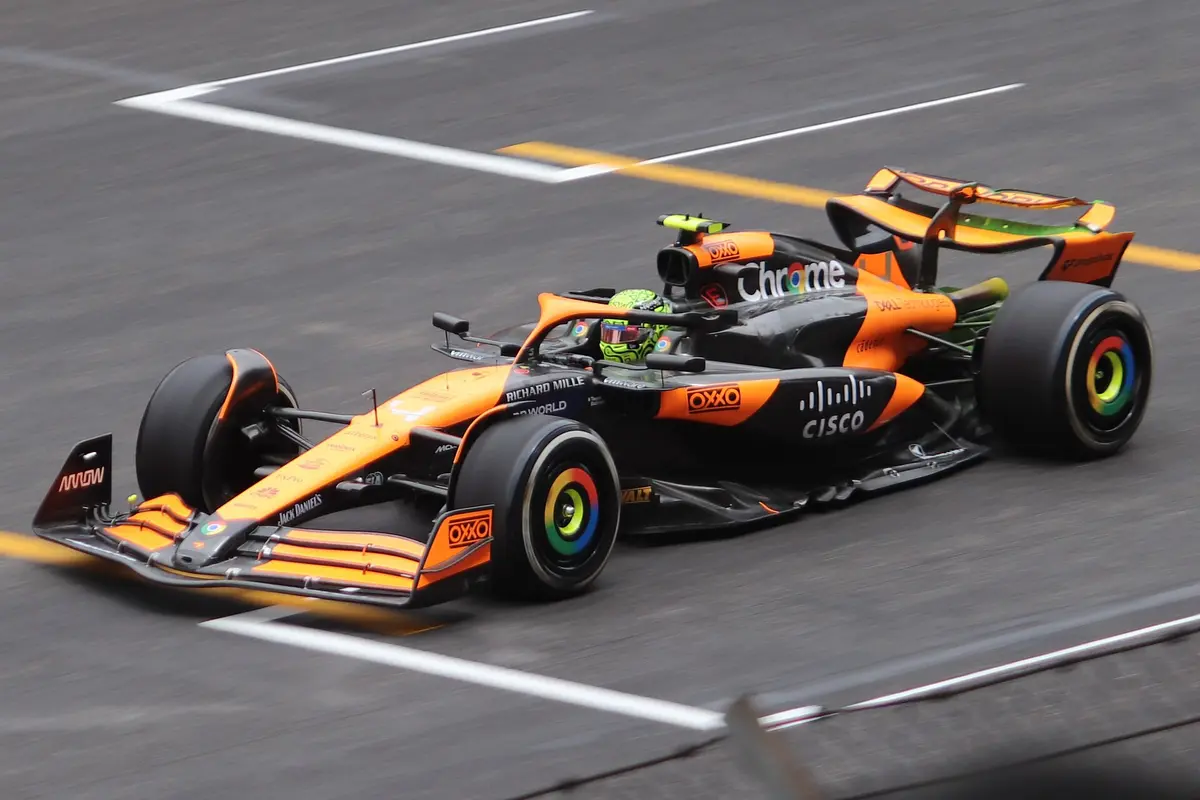
Photo: Liauzh / CC-BY-SA-4.0
McLaren Team Principal Andrea Stella has made a significant public call to the wider Formula 1 paddock, outlining his preferred changes to the sport's landmark 2026 technical regulations ahead of the upcoming Miami Grand Prix. Stella's intervention signals that, even as the 2026 season is already underway, the conversation around refining the new regulatory framework is very much alive — and McLaren intends to be at the forefront of shaping it.
Stella's Vision for the 2026 Regulations
The 2026 season introduced the most sweeping set of regulatory changes in recent F1 history, encompassing entirely new power unit architecture, a dramatic overhaul of aerodynamic philosophy, and the introduction of active aero systems alongside the so-called "overtake boost" mechanism. It is a framework designed from the ground up to produce closer, more competitive racing — but as with any wholesale regulatory reset, the details matter enormously, and real-world results have already begun prompting reflection across the paddock.
Stella's decision to publicly articulate his ideal changes ahead of the Miami GP is notable in itself. Team principals rarely lay out regulatory wish-lists this openly unless they believe the moment demands collective action. By framing his comments as a "call to arms," Stella is not merely lobbying the FIA and Formula 1 management in private — he is inviting other team principals to align behind a common set of objectives. This is a coalition-building strategy, one that recognises the FIA's regulatory process responds more readily to unified paddock feedback than to isolated voices.
While the specific technical details of Stella's proposed changes were not fully elaborated in the initial report, the broader thrust is clear: McLaren believes the 2026 regulations, as currently written and applied, contain elements that should be refined. Given McLaren's strong competitive position heading into 2026 — built on the foundations of their resurgent 2024 Constructors' Championship win with Lando Norris and Oscar Piastri central to the effort — Stella speaks from a position of genuine authority. A team principal whose car is performing at the front of the grid carries particular weight in regulatory discussions, because their proposals cannot easily be dismissed as self-serving complaints from a struggling outfit.
Why the Miami GP is the Right Moment
The timing of Stella's call — ahead of the Miami Grand Prix — is strategically significant. Miami represents one of the first genuinely high-profile flyaway events of the calendar, drawing enormous commercial attention and global media scrutiny. It is the kind of race weekend where paddock discussions take on heightened visibility, and where statements made by senior team figures are amplified well beyond the usual trade press. If Stella wanted to maximise the reach of his regulatory message, choosing the Miami GP as the backdrop was an astute decision.
Furthermore, the early weeks of the 2026 season have given teams enough real-world data to form considered views on how the new regulations are playing out in practice. The active aero systems, the new power unit balance between internal combustion and electrical deployment, and the revised aerodynamic concepts have all been tested in race conditions. Stella and the McLaren technical team are now in a position to speak from empirical evidence rather than pre-season simulation, lending additional credibility to any proposed adjustments.
The Broader Paddock Context
McLaren is not the only team navigating the complexities of the 2026 framework. Across the paddock, every constructor — from the newly debuted Cadillac team with Sergio Perez and Valtteri Bottas, to Audi in their first full season under the Audi name with Nico Hulkenberg and Gabriel Bortoleto, to Ferrari with Lewis Hamilton now in his second year alongside Charles Leclerc — is grappling with the same set of regulatory parameters. Some will have found the transition smoother than others, and the competitive order that has emerged will inevitably colour each team's appetite for change.
Red Bull, with Max Verstappen still the benchmark against which all rivals are measured, and Mercedes, managing the development curve of Andrea Kimi Antonelli alongside George Russell, will each have their own perspectives on what, if anything, needs refining. Stella's call to arms is an attempt to find common ground across these divergent interests — a recognition that meaningful regulatory evolution requires broad buy-in, not just the loudest voice in the room.
The FIA's Technical Regulations Working Group and the F1 Commission are the formal mechanisms through which such changes would be proposed, debated, and ultimately ratified. Any significant mid-cycle adjustments would require a defined majority of teams to agree, meaning Stella's public advocacy serves a dual purpose: informing fans and media of McLaren's position while simultaneously pressuring other teams to declare their own stance.
Key Takeaways
- McLaren Team Principal Andrea Stella has publicly called for changes to the F1 2026 regulations ahead of the Miami Grand Prix.
- Stella framed his intervention as a "call to arms," seeking to build a coalition of teams behind targeted regulatory refinements.
- The 2026 season introduced sweeping changes including new power unit architecture, active aero, and the overtake boost system — all of which are now being evaluated in race conditions.
- The Miami GP provides a high-profile platform for Stella's message, maximising paddock and media attention.
- Any meaningful regulation changes require broad team support through formal FIA and F1 Commission processes.
- McLaren's competitive standing gives Stella's proposals additional credibility and weight in regulatory discussions.
Frequently Asked Questions
What specific F1 2026 regulation changes is Andrea Stella calling for?
The full technical details of Stella's proposed changes have not been comprehensively reported at this stage. His public intervention ahead of Miami outlines an intent to refine the 2026 regulatory framework, with the specifics expected to be elaborated through official FIA and F1 Commission channels as the season progresses.
Can F1 teams change the 2026 regulations mid-season?
Formal changes to technical regulations mid-season are possible but require a defined majority of teams to agree, followed by ratification by the FIA and Formula 1 management. The process is designed to be deliberate rather than reactive, meaning any changes proposed now would most likely take effect from the 2027 season unless deemed urgent safety or sporting necessity items.
Why is the Miami Grand Prix significant for this regulatory discussion?
The Miami GP is one of the season's most high-profile events, attracting significant global media attention. Stella's choice to raise this issue ahead of Miami ensures maximum visibility for McLaren's position and increases pressure on rival teams and governing bodies to respond formally to the call for 2026 regulation changes.
Conclusion
Andrea Stella's public call for F1 2026 regulation changes ahead of the Miami Grand Prix marks a significant moment in the evolving conversation around the sport's most ambitious regulatory reset in years. By seeking collective paddock action rather than lobbying in isolation, the McLaren team principal is deploying a sophisticated strategy — one that acknowledges the complexity of the regulatory process while positioning McLaren as a constructive, forward-thinking voice. Whether his call to arms generates the unified response he is seeking remains to be seen, but the debate over how best to fine-tune the 2026 framework has clearly, and very publicly, begun.
In this article
Written with AI assistance. How this site works
 Canadian Grand Prix